Imagine a home that understands your needs, adjusts to your mood, and takes care of the mundane so you can focus on what truly matters. Welcome to the future, or rather, welcome to 2026, where the smart home isn't just a luxury but an integral part of modern Indian living. From brewing your morning chai as you wake up to ensuring your home is secure while you're away on a weekend trip to Goa, smart devices are set to revolutionize how we interact with our living spaces.
The smart home landscape in India is evolving at a breakneck pace. With increasing internet penetration, affordable data, and a growing desire for convenience and security, more and more Indian households are embracing smart technology. But with countless options flooding the market, how do you pick the best smart speakers, lights, hubs, and other gadgets that will truly make a difference in your life in 2026? Don't worry, we're here to guide you through the exciting world of smart home technology, highlighting what to look for and our top picks that promise to offer the best experience for Indian users.
Why Invest in a Smart Home in 2026?
The reasons to go smart are more compelling than ever. Beyond just the 'cool' factor, smart homes offer tangible benefits:
- Unmatched Convenience: Control your entire home with your voice or a tap on your phone, even when you're stuck in Bengaluru's notorious traffic.
- Enhanced Security: Keep an eye on your home, receive alerts, and deter intruders whether you're at work or on vacation.
- Energy Efficiency: Smart lighting and thermostats can learn your habits, optimize usage, and help you save on those rising electricity bills.
- Accessibility: Smart devices can make daily tasks easier for the elderly or those with mobility challenges.
- Entertainment: Seamlessly stream music, podcasts, or your favorite IPL match across different rooms.
Key Categories of Smart Home Devices for 2026
Let's dive into the core components that make up a truly intelligent home.
Smart Speakers: The Voice of Your Home
Smart speakers are often the gateway drug to the smart home ecosystem. They act as your personal assistant, entertainment hub, and central control point for other devices. By 2026, these devices will be even more intelligent, understanding complex commands and context specific to Indian accents and preferences.
- What to look for: Excellent microphone sensitivity, robust speaker quality, wide range of smart home integrations, and support for Hindi and other regional languages.
- Top Picks: The Amazon Echo Dot (5th Gen) continues to be a crowd-pleaser for its compact size, decent sound, and ubiquitous Alexa integration. For those invested in the Google ecosystem, the Google Nest Mini offers similar functionality with Google Assistant at its core, perfect for managing your calendar and getting quick answers.
Smart Lighting: Setting the Mood, Saving Energy
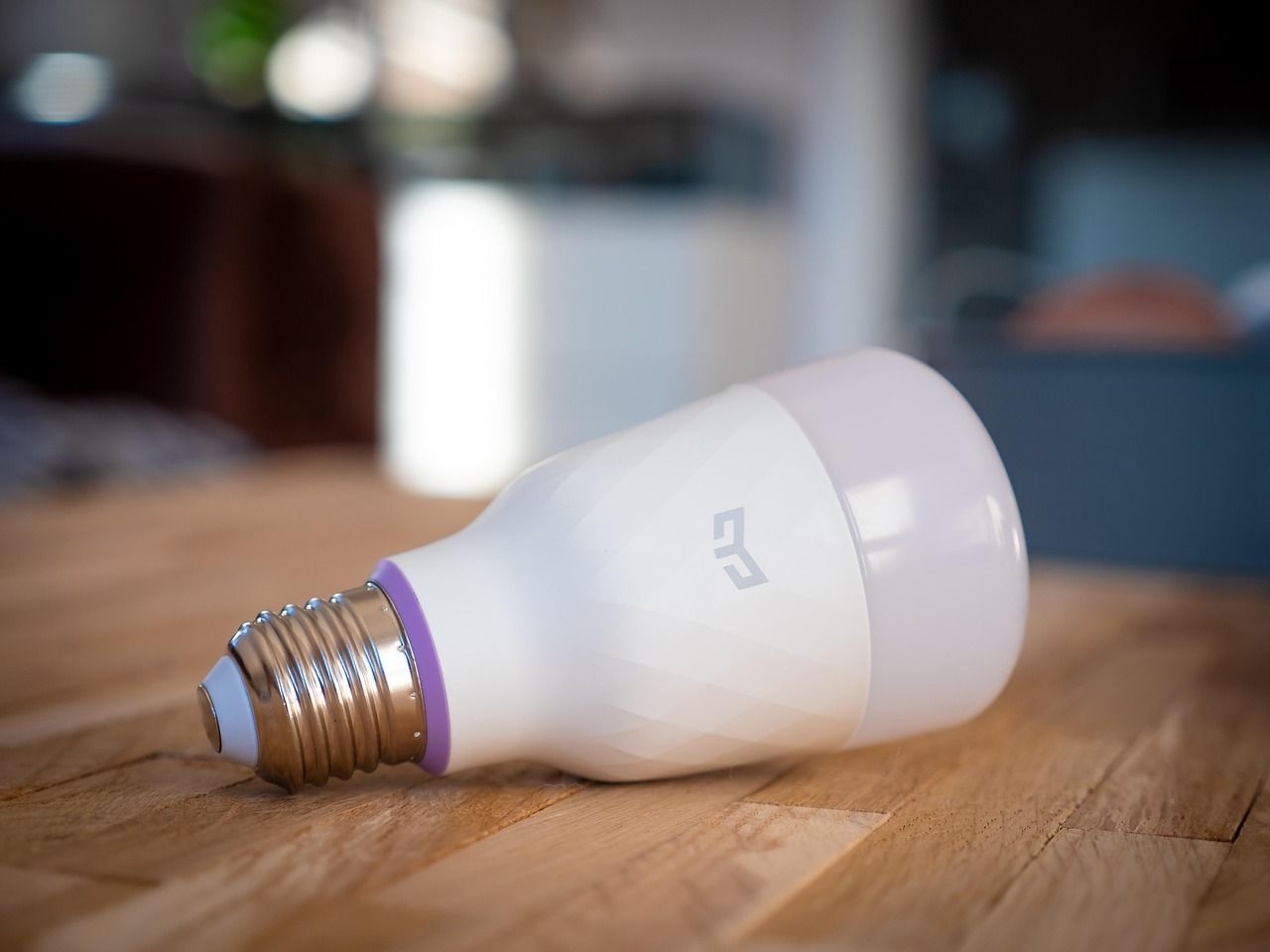
Gone are the days of simple on/off switches. Smart lights let you change colors, adjust brightness, set schedules, and even sync with your music or movies. They're not just about ambiance; they're also crucial for energy savings.
- What to look for: Easy installation, a wide color spectrum, dimmable features, integration with your chosen smart speaker, and durable designs suitable for Indian power fluctuations.
- Top Picks: Philips Hue Smart Bulbs remain the gold standard, offering unparalleled color accuracy and a vast ecosystem. For a more budget-friendly yet reliable option, brands like Wipro Smart Lighting offer excellent smart bulbs and strips that integrate well with Alexa and Google Assistant.
Smart Hubs & Ecosystems: The Brains Behind the Operation
While many devices can operate independently, a smart home hub brings everything together, allowing devices from different manufacturers to communicate seamlessly. This creates a truly integrated and automated home experience.
- What to look for: Compatibility with various smart home protocols (Wi-Fi, Zigbee, Z-Wave, Matter), a user-friendly interface, and robust local processing capabilities for faster response times.
- Top Picks: The Google Nest Hub (2nd Gen) doubles as a smart display and a central control panel, allowing you to see your cameras, control lights, and even watch YouTube recipes. For those looking for a more versatile, protocol-agnostic hub, the Samsung SmartThings Hub is an excellent choice, supporting a vast array of devices and offering powerful automation possibilities.
Smart Plugs & Switches: Making Dumb Devices Smart
These unassuming devices are magic wands for your existing electronics. Plug in your traditional lamp, geyser, or even your old fan, and instantly turn them into smart devices controllable via your phone or voice.
- What to look for: Overload protection (crucial in India), energy monitoring features, compact design that doesn't block other outlets, and reliable Wi-Fi connectivity.
- Top Picks: The Wipro Smart Plug is a highly popular and dependable option in India, offering easy setup and good integration with major voice assistants. Brands like Mi and Amazon also offer competitive smart plugs.
Smart Security Devices: Peace of Mind, Always
Security is a paramount concern for every homeowner. Smart security devices offer real-time monitoring, alerts, and remote control, making your home a safer place.
- What to look for: High-resolution video, two-way audio, motion detection with customizable zones, local storage options (to avoid cloud subscription fees), and reliable notifications.
- Top Picks: Brands like EZVIZ and Tapo (from TP-Link) offer excellent smart cameras with features like pan-tilt, night vision, and local storage, providing great value for money in the Indian market. Smart doorbells from Ring or Eufy also offer advanced features for front-door security.
What to Consider Before Buying Smart Home Devices in India (2026)
Navigating the smart home market requires a bit of foresight, especially with India's unique challenges and opportunities:
- Ecosystem Compatibility: Decide whether you'll predominantly use Alexa (Amazon) or Google Assistant. Most devices support both, but choosing an ecosystem can simplify future purchases.
- Internet Connectivity: A stable and fast Wi-Fi connection is non-negotiable for a reliable smart home. Consider Mesh Wi-Fi systems for larger homes.
- Power Fluctuations: Look for devices with built-in surge protection or consider using external surge protectors, common issues in many Indian cities.
- Installation & Support: Some devices might require professional installation. Check for local customer support and warranties.
- Privacy Concerns: Understand how your data is being used. Opt for brands with strong privacy policies and encryption.
- The 'Matter' Standard: Keep an eye out for devices supporting the Matter standard. By 2026, Matter will be more widespread, promising seamless interoperability between devices from different brands, a game-changer for smart home enthusiasts.
Building Your Smart Home: A Phased Approach
You don't need to automate everything overnight. Start small, perhaps with a smart speaker and a few smart lights or plugs. As you get comfortable, expand your system. This allows you to understand what truly adds value to your lifestyle and budget.
The Future is Smart: Trends for 2026 and Beyond
By 2026, expect even deeper integration of Artificial Intelligence, making devices more proactive and less reactive. Predictive automation, where your home anticipates your needs before you even voice them, will become more common. Sustainability will also be a key driver, with devices optimized for energy efficiency and made from eco-friendly materials. The convergence of 5G and IoT will unlock new possibilities, enabling faster communication and more robust smart home networks, particularly beneficial in dense urban environments across India.
Conclusion: Your Home, Smarter
The best smart home devices in 2026 for India will be those that offer seamless integration, robust performance, and real-world utility, all while being attuned to the unique needs of the Indian consumer. Whether you're a tech enthusiast eager to automate every corner of your apartment in Mumbai or a family in Chennai looking for added security and convenience, the smart home market has something for everyone. Embrace the future, embrace convenience, and transform your living space into an intelligent haven that truly works for you.
FAQs
What is the most essential smart home device to start with in India?
For most Indian households, a smart speaker like the Amazon Echo Dot or Google Nest Mini is the best starting point. It provides voice control, acts as an entertainment hub, and can control many other smart devices, offering a great entry into the smart home ecosystem.
Are smart home devices safe and secure from hackers?
While no system is 100% immune, reputable smart home brands invest heavily in security measures like encryption and regular software updates. It's crucial for users to use strong, unique passwords, enable two-factor authentication, and keep their device firmware updated to minimize risks.
Do smart home devices work without an internet connection?
Many smart home devices require an active internet connection (Wi-Fi) for full functionality, especially for remote control and voice assistant features. However, some devices, particularly those using Zigbee or Z-Wave with a local hub, can maintain basic functionality or local automation even if the internet goes down.
How do smart home devices help save electricity in India?
Smart plugs can turn off appliances when not in use, smart lights can be scheduled or dimmed, and smart thermostats can optimize AC usage based on occupancy and weather. These features help eliminate energy wastage, leading to noticeable savings on your electricity bill over time.
Is it expensive to set up a smart home in India?
The cost of setting up a smart home can vary widely. You can start with a few affordable smart plugs and bulbs for a couple of thousand rupees, or invest in a comprehensive system with smart security, lighting, and entertainment for a significant amount. Many brands offer budget-friendly options, making smart home technology accessible to a wider audience in India.