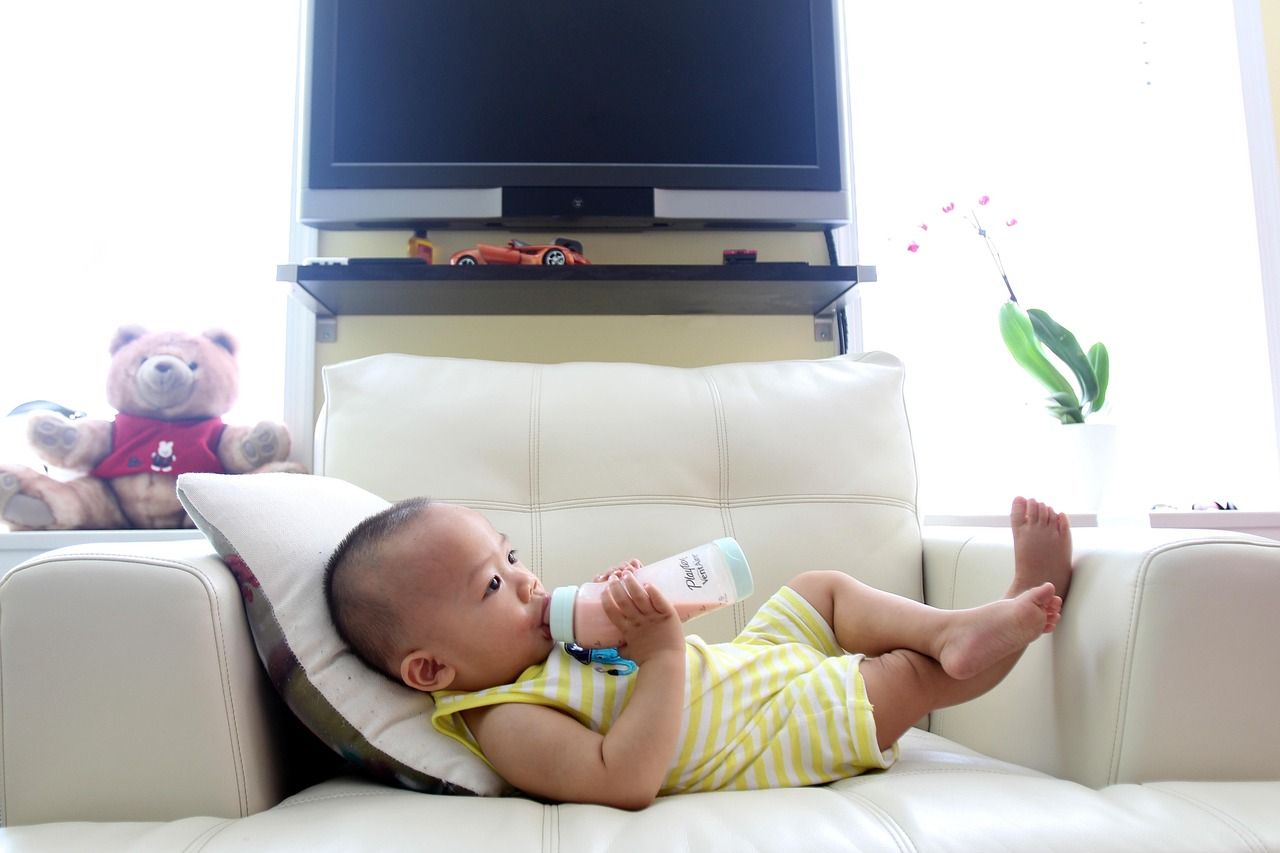
Imagine this: You’ve just stocked up on your baby’s essential formula, meticulously chosen for their delicate needs. Then, news breaks about a widespread recall. A chill runs down your spine, doesn't it? For parents, few things are as frightening as a threat to their child's health, especially when it involves something as fundamental as their nutrition. Recently, reports of baby formula recalls, including products sold through major online retailers like Amazon and physical stores like Meijer, have created understandable alarm.
While the initial news of products recalled from Meijer stores might seem geographically distant for our Indian readers, the mention of Amazon brings this concern right to our doorsteps. In an increasingly globalized world, where products cross borders with ease and online shopping is a lifeline for many, understanding the implications of such recalls is paramount. This isn't just about a specific brand or region; it’s a critical reminder for all parents, especially those in India who rely on online platforms like Amazon India for their baby's needs, to be extra vigilant.
This comprehensive guide aims to cut through the confusion, clarify what these recalls mean for you, and equip you with the knowledge to ensure your little one’s safety. We’ll discuss how to identify potentially affected products, what steps to take if you have one, and most importantly, best practices for purchasing baby formula in India, both online and offline, to protect your child from any unforeseen risks. Your peace of mind, and your baby’s health, is our top priority.
Understanding the Baby Formula Recall: What Parents Should Know
When news of a baby formula recall hits the headlines, it often sparks widespread panic. Recalls can happen for a variety of reasons, all of which pose potential health risks to infants. These can range from bacterial contamination, such as Cronobacter sakazakii or Salmonella, to the presence of foreign material like metal particles, or even incorrect nutrient levels that could impact a baby's development. Each scenario carries its own set of dangers, making immediate action crucial.
The specific recall mentioned, impacting products sold on Amazon and in Meijer stores, highlights a crucial aspect of modern commerce: the vast reach of distribution. While Meijer is a prominent retail chain primarily in the Midwestern United States, the inclusion of Amazon immediately broadens the scope of concern. For Indian parents, this means understanding that even if a recall originates in another country, products from the same batch or manufacturer might find their way to India, either through direct international shipments, third-party sellers on Amazon India, or parallel import channels.
It's important not to assume that just because a recall is announced in the US, it has no bearing on products available here. The interconnectedness of supply chains means that vigilance is a global responsibility. The types of issues leading to recalls – manufacturing defects, contamination during packaging, or quality control failures – are not geographically limited. Therefore, staying informed about global health advisories and understanding how to check the products you purchase becomes indispensable.
Impact on Indian Parents and Amazon Purchases
For many Indian parents, Amazon India has become an indispensable platform for everything from daily essentials to specialized baby products. The convenience, variety, and often competitive pricing make it an attractive option. However, this convenience comes with the responsibility of careful shopping, especially for sensitive products like baby formula.
When a recall is announced internationally, products can potentially reach Indian consumers in several ways:
- Amazon Global Store: Some products are directly sold and shipped by Amazon from international warehouses. While Amazon usually has robust recall procedures, it's vital for consumers to be aware and check product details.
- Third-Party Sellers: A significant portion of products on Amazon India are sold by third-party vendors. These sellers might source products from various channels, sometimes making it harder to track their origin or authenticity. There's a higher risk of encountering products from affected batches if these sellers are not diligent.
- Parallel Imports: Some products might enter the Indian market through unofficial import channels, bypassing the manufacturer's authorized distribution network. These products may not always adhere to Indian regulatory standards and could include items from recalled batches.
The key takeaway here is that while Amazon provides a vast marketplace, parental due diligence is non-negotiable. Always prioritize buying from authorized sellers or official brand stores on Amazon India. Be wary of unusually low prices from unknown sellers, as this could sometimes indicate questionable sourcing.
Identifying Recalled Products: Your Essential Checklist
Knowledge is your first line of defense. Knowing how to identify a potentially recalled product can make all the difference. Here’s a checklist:
- Check Batch Numbers and Manufacturing Dates: Every reputable baby formula will have a batch number, lot code, or manufacturing date printed on the packaging. These are critical identifiers in any recall. When a recall is announced, the company will specify the exact batch numbers or date ranges affected. For example, if you purchase brands like Aptamil Gold Stage 1 or Nestle Lactogen 1, always cross-reference these batch details immediately with any recall notice.
- Expiry Date: While not directly related to a recall's cause, ensuring the product is well within its expiry date is a basic safety measure.
- Product Name and Type: Confirm the exact product name, stage (e.g., Stage 1, Stage 2), and formulation (e.g., standard, anti-regurgitation, lactose-free). Sometimes recalls are specific to one variant of a brand.
- Visual Inspection of Packaging: Before opening, thoroughly inspect the packaging. Look for signs of tampering, damage, punctures, or unusual sealing. Ensure safety seals are intact. Any abnormality should be a red flag.
- Source of Purchase: Keep a record of where and when you bought the formula. This is vital for returns or inquiries.
For example, if you regularly use Similac Advance Stage 1, and there's a recall for a specific batch, you must verify the batch number on your product against the recall information. Do not solely rely on the brand name; the specific batch code is the most accurate identifier.
What to Do If You Have a Recalled Product
If you discover that you possess a recalled baby formula, follow these steps immediately:
- DO NOT Use It: This is the most critical step. Do not feed the recalled formula to your baby, even if they haven't shown any symptoms. The risks are not worth taking.
- Isolate and Store Safely: Place the recalled product in a sealed bag and away from other food items to prevent any cross-contamination.
- Contact the Retailer: If purchased from Amazon India, visit your order history and initiate a return. Amazon has clear guidelines for returning recalled items, usually offering a full refund without requiring the product to be shipped back in some cases. If purchased from a local store, return it there.
- Contact the Manufacturer: Reach out to the manufacturer's customer service helpline or their official Indian representative. They will provide specific instructions on how to handle the recalled product and arrange for a refund or replacement.
- Seek Medical Advice: If your baby has consumed the recalled formula, contact your pediatrician immediately, even if they appear well. Describe the situation and any symptoms your baby might be experiencing.
- Stay Informed: Continue monitoring official news and manufacturer updates regarding the recall.
Ensuring Baby Formula Safety in India: Best Practices
Preventative measures are always better than reactive ones. Here’s how Indian parents can ensure the utmost safety when purchasing and preparing baby formula:
- Buy from Reputable Sources: Always purchase baby formula from authorized distributors, trusted pharmacies, large supermarket chains, or official brand stores on Amazon India. Avoid buying from unknown online sellers, street vendors, or shops with questionable reputations.
- Check Packaging Thoroughly: Before purchase, inspect the packaging for any signs of damage, leaks, unusual labeling, or tampering. Ensure the seals are intact.
- Verify Authenticity: Many legitimate brands incorporate security features like holograms, unique QR codes, or batch tracking systems. Utilize these to verify product authenticity where available.
- Cross-Reference Prices: Be cautious of deals that seem too good to be true, especially from third-party sellers. Extremely low prices could indicate expired, damaged, or counterfeit products.
- Proper Storage at Home: Once purchased, store baby formula according to the manufacturer's instructions – usually in a cool, dry place away from direct sunlight and humidity.
- Meticulous Preparation: Always follow the preparation instructions on the formula can precisely. Use sterilized bottles and teats, boil water and let it cool to the recommended temperature, and prepare fresh formula for each feed. Never dilute formula or add extra scoops unless advised by a pediatrician.
- Consult Your Pediatrician: Regularly discuss your baby’s nutritional needs and formula choices with your pediatrician. They are the best source of personalized advice.
Beyond the Recall: Proactive Steps for Parental Peace of Mind
While recalls are worrying, they also serve as a stark reminder of the importance of continuous vigilance. As parents in India, you have several proactive steps you can take:
- Stay Informed: Regularly check the websites of major baby food manufacturers, especially those whose products you use, for any recall notices. While a centralized recall database specifically for India similar to US FDA is evolving, manufacturers typically issue their own alerts. Also, keep an eye on reputable Indian health news sources.
- Register Your Products: Some manufacturers offer product registration services that allow them to directly notify you if a product you've purchased is recalled. Explore this option if available for your chosen brand.
- Build a Trusted Network: Engage with other parents in your community or online forums where recall information and experiences are often shared. While being cautious of misinformation, a supportive network can be a valuable source of alerts and advice.
- Review Online Seller Ratings: When buying on Amazon India, always check the seller's ratings, reviews, and how long they've been selling. Opt for 'Fulfilled by Amazon' or 'Amazon Prime' listings where possible, as these usually indicate a more reliable fulfillment process.
- Trust Your Gut: If something feels off about a product – be it the packaging, the smell, the consistency, or the seller – trust your instincts and avoid using it. It's always better to be safe than sorry when it comes to your baby's health.
FAQs
Is this recall specifically affecting products sold on Amazon India?
While the initial reports might mention specific US retailers like Meijer, the inclusion of Amazon highlights that products can be globally distributed. It means that similar batches or variants of the recalled formula might have been available on Amazon India through third-party sellers, Amazon Global Store, or parallel imports. Therefore, Indian parents must be vigilant and check any baby formula they've purchased against recall notices.
How can I tell if the baby formula I bought online is genuine?
To verify authenticity, always purchase from official brand stores or highly-rated sellers on Amazon India. Check for intact safety seals, consistent packaging quality, and clear, correct printing. Many brands include QR codes or holograms for authenticity checks. Compare the batch number, manufacturing, and expiry dates with any official product information. If the price is unusually low, or the seller has poor reviews, exercise extreme caution.
What are the common signs my baby might be affected by contaminated formula?
Symptoms can vary depending on the type of contamination. Common signs to look out for include fever, irritability, lethargy, poor feeding, vomiting, diarrhea, abdominal pain, or blood in stools. If you suspect your baby has consumed contaminated formula or is displaying any unusual symptoms, seek immediate medical attention from your pediatrician.
Should I switch my baby's formula if I'm worried about a recall?
If you've confirmed your current formula is NOT part of a recall and is from a reputable source, there's generally no need to switch. However, if you are genuinely worried or your baby has reacted unusually to the formula, consult your pediatrician before making any changes. They can advise on the best course of action and recommend alternatives if necessary. Unnecessary switching can sometimes upset a baby's digestive system.
Where can I find official recall information for India?
While India doesn't have a single, consolidated public database for all product recalls like some Western countries, you should monitor the official websites of the baby formula manufacturers themselves. Reputable companies will publish recall notices on their global and India-specific websites. You can also look for advisories from the Food Safety and Standards Authority of India (FSSAI) or credible Indian health news outlets. Always cross-reference information from multiple reliable sources.
Conclusion: Vigilance is Key to Protecting Our Little Ones
The news of baby formula recalls, while unsettling, is a stark reminder of the critical importance of product safety in a global marketplace. For Indian parents navigating the vast world of online shopping, particularly on platforms like Amazon, this means adopting an enhanced level of vigilance. While the convenience of online purchases is undeniable, the responsibility to ensure our children's safety ultimately rests with us.
By understanding the nature of recalls, knowing how to meticulously check product details, choosing trusted vendors, and following best practices for formula preparation, you empower yourself to make informed decisions. Remember, every batch number checked, every seal inspected, and every official notification read is a step towards safeguarding your baby's health. Stay informed, stay vigilant, and never hesitate to consult your pediatrician or manufacturer if you have any doubts. Your proactive approach ensures that your little one receives the nutrition they need, safely and securely.