

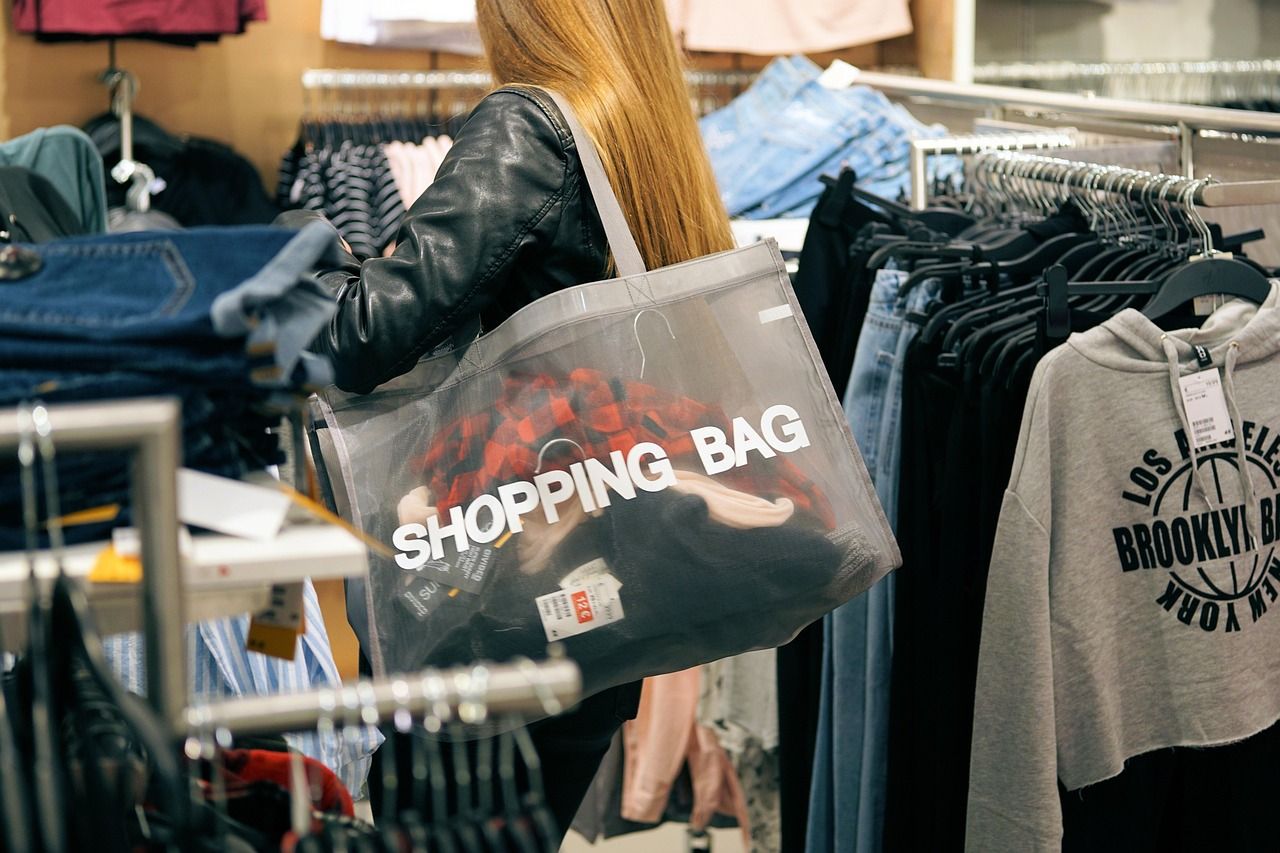
Hello there, fellow shoppers and trend-watchers! Can you believe 2025 is already drawing to a close? It feels like just yesterday we were setting new year's resolutions, and now we're here, ready to unwrap all the exciting shopping trends that shaped our year. From the bustling streets of Delhi to the serene backwaters of Kerala, India's consumer landscape is always vibrant and ever-evolving. This year was no exception, bringing with it a fascinating mix of innovation, tradition, and conscious choices. So, grab a cup of chai, get comfortable, and let's dive deep into the 2025 shopping wrap-up, exploring the hottest trends that defined what and how we bought!
The Rise of Conscious Consumerism: Shopping with a Purpose
One of the most defining shifts in 2025 was undoubtedly the growing awareness around ethical and sustainable consumption. Indian consumers, particularly the younger demographic, became more discerning, opting for brands that aligned with their values. This wasn't just about buzzwords; it translated into tangible changes in shopping habits.
Embracing Eco-Friendly Choices
From clothing made with organic cotton to packaging that minimized plastic waste, eco-friendly options became highly sought after. We saw a significant surge in demand for products that were not only good for us but also good for the planet. Think of the widespread adoption of the humble reusable water bottle, no longer just a utility item but a statement of intent, or the increasing preference for upcycled decor items that brought a unique charm to our homes.
Supporting Local and Handcrafted
The "Vocal for Local" movement continued to gain immense traction. Shoppers actively sought out products from local artisans, small businesses, and regional brands. This not only boosted local economies but also allowed consumers to connect with the stories and craftsmanship behind their purchases. Festivals saw a boom in demand for handcrafted Diwali decor, traditional Ganesha idols, and unique regional apparel, moving beyond mass-produced items.
Tech That Transformed Our Lives: Smarter, Faster, Seamless
Technology continued its relentless march forward, integrating itself even more deeply into our daily lives. 2025 saw a refinement of existing tech and the mainstream adoption of gadgets that once seemed futuristic.
Wearable Tech: Beyond Just Time-Telling
The Smartwatch evolved from a niche gadget to an essential accessory for many. Beyond tracking steps and showing notifications, 2025's smartwatches offered advanced health monitoring, seamless payment options, and even built-in GPS for adventurers. They became indispensable companions for fitness enthusiasts and busy professionals alike, helping us manage our health and schedules with unparalleled convenience.
Personal Audio Takes Center Stage
The demand for high-quality, portable audio solutions skyrocketed. Wireless earbuds, once a luxury, became a ubiquitous sight. Their convenience, combined with improvements in sound quality and battery life, made them perfect for everything from commuting through crowded cities to taking work calls or enjoying music during a quiet evening walk. Brands focused on ergonomic designs and features like active noise cancellation, making our audio experience more immersive than ever.
Smart Appliances for the Modern Indian Home
Our homes got smarter too! From refrigerators that managed grocery lists to washing machines controlled via smartphone apps, smart appliances aimed to simplify daily chores. These weren't just for metro cities; tier 2 and tier 3 cities also saw a significant uptake, driven by convenience and energy efficiency.
Fashion Forward: Blending Tradition with Modernity
Indian fashion in 2025 was a beautiful tapestry of old and new, tradition and trend. Designers and consumers alike embraced a fluid approach, creating styles that were uniquely Indian yet globally relevant.
The Kurta's Universal Appeal
The humble Kurta set truly became a versatile wardrobe staple. No longer confined to ethnic wear, we saw kurtas styled in myriad ways – with jeans for a casual look, palazzo pants for festive occasions, or even as comfortable work-from-home attire. Fabrics like linen, cotton, and sustainable blends were favored for their comfort and breathability, perfectly suited for India's diverse climates. The trend leaned towards subtle embroidery, earthy tones, and comfortable silhouettes, making it a go-to for all age groups.
Sustainable Fashion Gains Ground
Echoing the conscious consumerism trend, sustainable fashion moved beyond niche boutiques. Brands focusing on upcycling, ethical sourcing, and natural dyes found a strong market. Consumers were more willing to invest in quality, long-lasting pieces over fast fashion, reducing their environmental footprint.
Gender-Fluid Styles and Inclusivity
Fashion became more inclusive, breaking traditional gender barriers. We saw designers experimenting with gender-fluid collections, and consumers embracing styles that resonated with their personal identity rather than societal norms. This shift fostered a more diverse and accepting fashion landscape.
Home Sweet Smart Home: Comfort Meets Connectivity
The concept of 'home' in 2025 evolved significantly. It wasn't just a place to live, but a sanctuary of comfort, convenience, and connectivity. Indians invested more in making their living spaces truly smart and comfortable.
Kitchen Gadgets for Health and Convenience
The kitchen, often considered the heart of an Indian home, saw a revolution. Health-conscious consumers embraced gadgets like the Air Fryer, making it easier to enjoy traditional fried snacks with less oil. Smart blenders, automatic rice cookers, and coffee machines that brewed your morning cup with a voice command became common additions, streamlining daily routines and promoting healthier eating habits.
Personalized Home Decor and Gifting
Gone are the days of generic home decor. 2025 was all about personalization. From custom-made furniture pieces to quirky wall art reflecting individual tastes, homes became extensions of personalities. Gifting also followed this trend, with personalized items like engraved photo frames, custom-designed cushions, and curated gift hampers gaining popularity during festive seasons like Diwali and Raksha Bandhan.
The Omnichannel Experience: Blurring Lines Between Online and Offline
The distinction between shopping online and offline continued to fade. 2025 was the year the omnichannel experience truly matured, offering consumers unparalleled flexibility and convenience.
Click-and-Collect Dominates
The "buy online, pick up in-store" (BOPIS) model became a favorite, especially in metro cities. It combined the convenience of online browsing with the immediacy of in-store collection, avoiding delivery delays and charges. This was particularly popular for groceries, electronics, and fashion items, where customers preferred to pick up at their convenience.
Live Shopping and Influencer Commerce
Live shopping sessions, often hosted by popular influencers on platforms like Instagram and YouTube, exploded in popularity. These interactive sessions offered real-time product demonstrations, Q&A, and exclusive deals, creating an engaging and often entertaining shopping experience that felt more personal than traditional e-commerce.
Augmented Reality (AR) for Better Decisions
Brands increasingly adopted AR technology, allowing customers to virtually "try on" clothes, "place" furniture in their homes, or even "test" makeup shades using their smartphone cameras. This immersive experience reduced return rates and boosted consumer confidence, especially for high-value purchases.
Wellness and Self-Care: A Non-Negotiable Priority
In a fast-paced world, wellness and self-care moved from being a luxury to a fundamental necessity. This trend profoundly impacted purchasing decisions, with consumers investing in products and services that nurtured their physical and mental well-being.
Holistic Beauty and Skincare
The beauty industry pivoted towards clean, natural, and Ayurvedic products. Consumers sought transparency in ingredients and preferred brands that focused on holistic well-being rather than just superficial enhancements. Custom skincare routines, mindful beauty rituals, and products tailored to specific Indian skin concerns saw massive demand.
Fitness at Home and On-the-Go
While gyms remained popular, home fitness continued its strong run. From smart exercise bikes to digital subscriptions for yoga and meditation, people embraced flexible ways to stay fit. Wellness apps tracking sleep, stress levels, and hydration became everyday tools, reinforcing the self-care narrative.
Conclusion: A Year of Purposeful Progress
As we wrap up our look at 2025's shopping landscape, it's clear that this year was about more than just buying; it was about buying better. Indian consumers demonstrated a clear preference for purpose-driven purchases, innovative tech that genuinely improved lives, and a seamless shopping experience that respected their time and values. From the vibrant colors of a thoughtfully chosen Kurta set to the quiet efficiency of a new Smartwatch, every purchase told a story of a nation moving forward, consciously and confidently.
What were your standout shopping experiences or favorite trends from 2025? We'd love to hear your thoughts in the comments below! Here's to an even more exciting and mindful 2026!
FAQs
Q1: What was the biggest overall shopping trend in India for 2025?
A1: The biggest overall trend was undoubtedly "conscious consumerism." Indian shoppers prioritized products and brands that were eco-friendly, ethically sourced, and supported local businesses, showing a clear shift towards more mindful purchasing decisions.
Q2: How did technology influence Indian shopping habits in 2025?
A2: Technology played a massive role. Wearable tech like Smartwatches became mainstream for health and convenience, Wireless earbuds were ubiquitous, and smart home appliances simplified daily life. Furthermore, augmented reality (AR) and live shopping experiences blurred the lines between online and offline shopping, making decisions easier and more engaging.
Q3: Did traditional Indian fashion still hold its ground amidst new trends?
A3: Absolutely! Traditional Indian fashion not only held its ground but evolved beautifully. Staples like the Kurta set gained even more versatility, blending seamlessly with modern styles. There was a strong preference for sustainable fabrics and handcrafted pieces, proving that tradition and contemporary trends can coexist harmoniously.
Q4: What role did 'wellness' play in consumer choices during 2025?
A4: Wellness became a non-negotiable priority. Consumers invested significantly in products promoting physical and mental well-being, from clean and Ayurvedic beauty products to home fitness equipment and wellness apps. This focus on self-care influenced purchasing across various categories, making health a key driver.
Q5: What can we expect from Indian shopping trends in 2026?
A5: Building on 2025, we can expect further integration of AI for personalized shopping experiences, continued growth in sustainable and ethical brand choices, and an even more seamless omnichannel approach. The focus on hyper-personalization, convenience, and purpose-driven consumption will likely intensify.