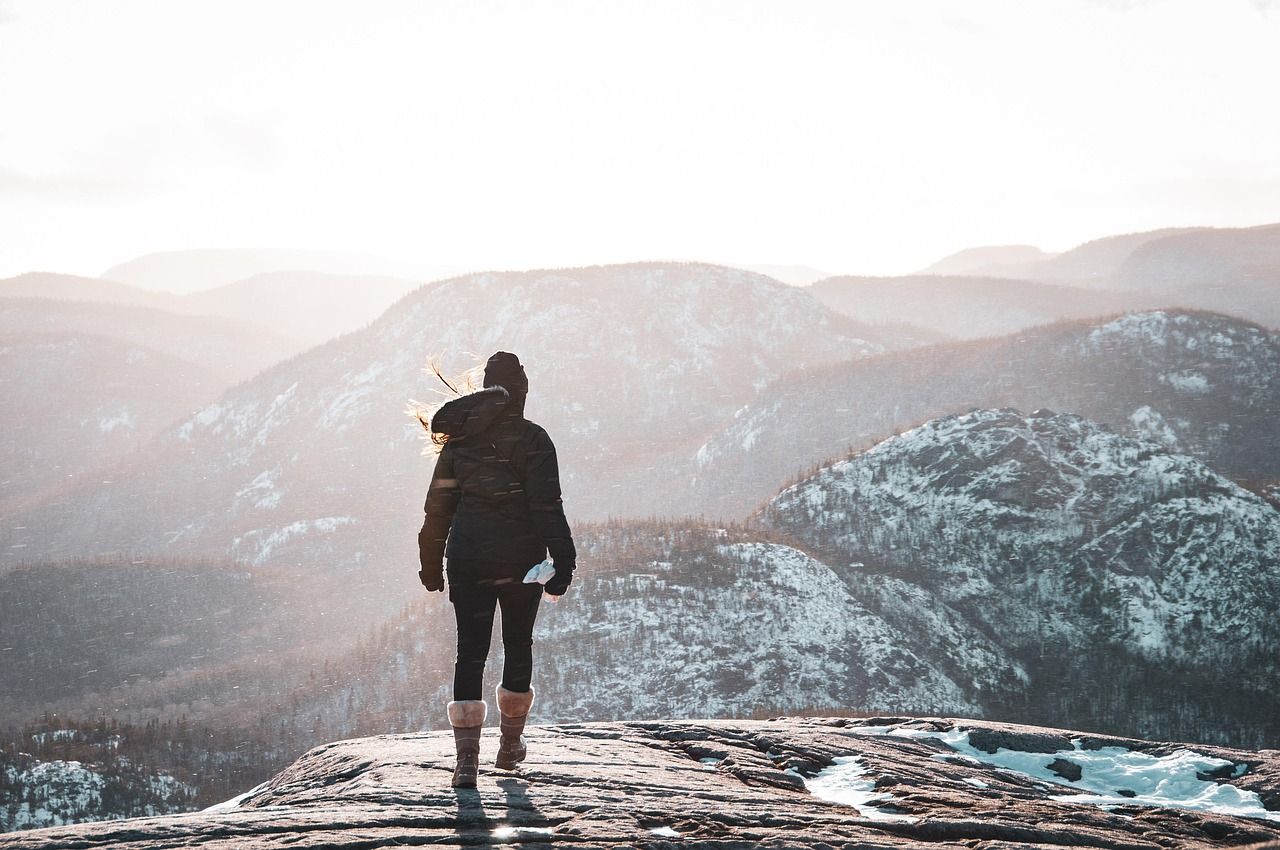
Embarking on a trek through the majestic Himalayas, navigating the lush, monsoon-drenched trails of the Western Ghats, or exploring the rugged beauty of the Aravallis? India's diverse landscapes offer unparalleled adventure, but every seasoned trekker knows that the foundation of a successful and enjoyable journey begins with one crucial piece of gear: your hiking boots. Far from being just ordinary shoes, the right pair of hiking boots can be the difference between an unforgettable experience and a painful ordeal. They offer protection, support, and grip, ensuring your feet remain comfortable and safe across challenging terrains.
Choosing the "best" hiking boots isn't a one-size-fits-all scenario. It depends on the type of trekking you do, the terrain you tackle, and even the weather conditions you expect to encounter. From lightweight options for day hikes to sturdy, high-ankle boots designed for multi-day expeditions in harsh mountain environments, understanding your needs is key. In this comprehensive guide, we'll delve deep into everything an Indian adventurer needs to know to select the perfect pair of hiking boots for their next trekking and adventure escapade.
Why Good Hiking Boots Are Non-Negotiable for Indian Treks
Imagine scaling a steep incline in Uttarakhand, your pack heavy, when suddenly your ankle twists on a loose rock. Or picture yourself navigating a slippery, muddy path in Meghalaya during monsoon, your regular shoes offering no grip. These scenarios highlight precisely why investing in proper hiking boots is paramount, especially when exploring India's varied terrain.
- Superior Ankle Support: Many Indian trails, particularly in the Himalayas and Western Ghats, are uneven, rocky, and often involve steep ascents and descents. A good pair of hiking boots, especially mid to high-ankle ones, provides crucial support, preventing twists and sprains that can quickly end your trek.
- Enhanced Grip and Traction: Whether it's slick moss-covered rocks, loose scree, wet mud, or snowy patches, the outsoles of hiking boots are designed to provide maximum traction. This translates to stability and confidence with every step, reducing the risk of slips and falls.
- Protection from Elements: Indian weather can be unpredictable. Waterproof hiking boots shield your feet from rain, snow, and stream crossings, preventing blisters and discomfort. They also protect against thorns, sharp rocks, and insects, common hazards on less-trodden paths.
- Durability for Rugged Terrains: Unlike regular shoes, hiking boots are built to withstand abuse. Their robust construction and quality materials mean they can endure countless kilometres on unforgiving trails, offering long-term value for money.
- All-Day Comfort: Engineered with cushioning, arch support, and breathable membranes, quality hiking boots keep your feet comfortable even after hours of continuous walking. This ergonomic design reduces fatigue, allowing you to enjoy the scenery rather than focusing on foot pain.
Understanding Different Types of Hiking Boots
Just as there are different types of treks in India, there are various categories of hiking boots, each designed for specific demands.
1. Lightweight Hiking Boots / Shoes
- Best For: Day hikes, short weekend treks on well-maintained trails (e.g., local hills, easy forest trails), speed hiking, or when you prioritize agility.
- Characteristics: Resemble athletic shoes, often low-cut or mid-cut, flexible, minimal break-in period.
- Indian Context: Ideal for routes like Triund, Prashar Lake (summers), or short trails in the Sahyadris.
2. Mid-Weight Hiking Boots
- Best For: Multi-day treks with a moderate backpack, varied terrain, and when you need a balance of support, protection, and comfort.
- Characteristics: Typically mid-cut to high-cut, offer good ankle support, durable, often waterproof.
- Indian Context: A versatile choice for most Himalayan treks (e.g., Valley of Flowers, Hampta Pass), longer Western Ghats expeditions, or trekking during monsoon season.
3. Heavy-Duty / Backpacking Boots
- Best For: Long expeditions, multi-day treks with heavy loads, challenging off-trail terrain, mountaineering, or extreme weather conditions.
- Characteristics: High-cut for maximum ankle support, rigid sole, extremely durable, often made of leather, significant break-in period.
- Indian Context: Essential for high-altitude treks like Roopkund, Chadar Trek (winter), Everest Base Camp, or any trek requiring crampons.
Key Features to Look For in Your Next Hiking Boots
When you're standing in front of a wall of hiking boots, it can be overwhelming. Knowing these crucial features will help you narrow down your choices:
Waterproofing and Breathability
For India's often wet and humid conditions, waterproofing is a game-changer. Look for boots with membranes like "Gore-Tex" or proprietary technologies (e.g., "Omni-Tech" from Columbia). These membranes repel water from the outside while allowing moisture (sweat) to escape from the inside, keeping your feet dry and blister-free. While Gore-Tex is the gold standard, many brands offer excellent alternatives that are more budget-friendly.
Outsole and Traction
The outsole is where the rubber meets the trail. A good outsole provides superior grip on various surfaces. "Vibram" is a renowned brand for high-performance outsoles, known for its durable rubber compounds and aggressive lug patterns. Look for deep, multi-directional lugs (the "teeth" on the sole) that can bite into loose earth, mud, and provide stability on rocky terrain.
Ankle Support and Collar Height
This relates to the cut of the boot. Low-cut boots offer maximum flexibility but minimal ankle support. Mid-cut boots strike a balance, offering decent support without being too restrictive. High-cut boots provide the most ankle support, essential for carrying heavy loads or traversing very uneven terrain. For most Indian treks, especially multi-day ones, a mid to high-cut boot is advisable.
Midsole for Cushioning and Stability
The midsole sits between the outsole and the upper, providing cushioning, shock absorption, and stability. Materials like EVA (Ethylene-vinyl acetate) offer lightweight cushioning, while PU (Polyurethane) is denser and more durable, often found in heavy-duty boots. A stiff midsole provides more stability on rough terrain, reducing foot fatigue over long distances.
Upper Material
- Leather (Full-Grain or Nubuck): Extremely durable, water-resistant, and moulds to your foot over time. Requires a break-in period and regular maintenance. Full-grain leather is tough; Nubuck is sanded for a softer feel.
- Synthetic: Lighter, dries faster, less expensive, and generally requires less break-in. Often used with mesh panels for breathability. Can be less durable than leather.
Weight
Lighter boots reduce fatigue, especially over long distances. However, lighter often means less support and durability. Balance weight with the level of protection and support your specific treks require.
Finding Your Perfect Fit: More Important Than Brand
Even the most expensive, feature-packed boot is useless if it doesn't fit properly. A poor fit leads to blisters, pain, and discomfort, ruining your trek.
- Try Them On: Always try boots on at the end of the day when your feet are slightly swollen.
- Wear Your Hiking Socks: Use the socks you intend to wear while trekking.
- Walk Around: Walk on an incline/decline if possible. Your heel should not slip significantly. Your toes should not touch the front of the boot, especially on downhills.
- Thumb's Width Rule: You should have about a thumb's width of space between your longest toe and the end of the boot.
- Lacing: Learn proper lacing techniques to secure your foot without creating pressure points.
- Break-in Period: Most boots, especially leather ones, require a "break-in" period. Wear them for short walks before embarking on a long trek to allow them to conform to your feet.
Recommended Hiking Boots for Indian Trekkers (Available on Amazon India)
Based on availability, performance, and suitability for Indian terrains, here are some excellent choices:
1. Quechua MH100 Mid Waterproof Hiking Boots
A fantastic entry-level to mid-range option, especially popular due to its availability and value. These boots from Decathlon are often available via sellers on Amazon India. The MH100 series offers good waterproofing and decent ankle support, making them suitable for moderate day hikes and weekend treks in places like the Sahyadris, Himachal Pradesh's easier trails, or short monsoon treks where puddles are common. They are relatively lightweight and comfortable, making them a great first pair for aspiring trekkers.
2. Woodland PRO Series Trekking Boots
Woodland is a household name in India for rugged outdoor footwear. Their PRO Series Trekking Boots are built like tanks, offering exceptional durability and robust protection. While they might be heavier than some international counterparts, their build quality is ideal for the rough and tough Indian environment. They provide excellent ankle support and a strong grip, making them a reliable choice for trekkers who prioritize longevity and resilience on trails ranging from forest paths to rocky mountain sections, especially if you're prone to heavy usage.
3. Columbia Newton Ridge Plus II Waterproof Hiking Boots
A globally renowned favourite, the Columbia Newton Ridge Plus II offers a superb balance of comfort, waterproofing, and traction. Featuring Columbia's Omni-Grip outsole for advanced traction and Omni-Tech waterproof breathable seam-sealed membrane, these boots are highly versatile. They excel on a variety of terrains, from the lush trails of Kerala to the rugged paths of Uttarakhand. They offer good support for multi-day treks with a moderate pack and are a popular choice for their immediate comfort and minimal break-in time.
4. Salomon X Ultra 4 Mid GORE-TEX Hiking Shoes
For those seeking a premium experience and advanced performance, the Salomon X Ultra 4 Mid GORE-TEX is an excellent investment. Known for their agility and lightweight design, these boots offer the stability and grip of a traditional hiking boot with the comfort and flexibility of a trail running shoe. The GORE-TEX membrane ensures complete waterproofing, while the Contagrip outsole provides exceptional traction on wet and dry surfaces. Ideal for fast-paced treks, technical trails, and longer, more demanding Himalayan expeditions where every gram counts and reliable performance is critical.
Boot Care and Maintenance: Extend Their Life
Your hiking boots are an investment, and proper care will ensure they serve you for many adventures:
- Clean After Every Trek: Remove mud and debris with a soft brush and water.
- Dry Properly: Air dry at room temperature. Avoid direct heat (sunlight, heaters) as it can damage materials and adhesives. Remove insoles for faster drying.
- Condition Leather: If you have leather boots, use a leather conditioner to prevent cracking and maintain suppleness.
- Re-waterproof: Over time, waterproofing can wear off. Use a spray-on or wash-in re-proofing treatment to restore water repellency.
- Store Correctly: Store in a cool, dry, well-ventilated place, away from direct sunlight.
FAQs
How do I know if my hiking boots fit correctly?
Your hiking boots fit correctly if there is about a thumb's width of space between your longest toe and the front of the boot when you stand up. Your heel should feel secure and not slip excessively when walking uphill or downhill. There should be no painful pressure points or excessive rubbing. Always try them on with your hiking socks towards the end of the day when your feet are slightly swollen.
Are waterproof hiking boots necessary for all treks in India?
While not strictly "necessary" for every single dry-weather, well-maintained trail, waterproof hiking boots are highly recommended for the vast majority of treks in India. They protect against sudden rain showers, stream crossings, monsoon mud, and even morning dew, keeping your feet dry and preventing blisters. For regions like the Western Ghats during monsoon or Himalayan treks, they are almost essential.
Can I use my regular sports shoes for hiking?
For very short, easy walks on flat, well-groomed paths, regular sports shoes might suffice. However, for actual trekking on uneven terrain, loose rocks, mud, or steep inclines/declines, sports shoes lack the necessary ankle support, grip, protection, and durability. Using them increases your risk of injury (sprains, falls) and discomfort (blisters, wet feet).
How long do hiking boots typically last?
The lifespan of hiking boots varies greatly depending on their quality, the intensity and frequency of use, terrain, and how well they are maintained. A good quality pair can last anywhere from 500 to 1,500 kilometres or 3 to 10 years, sometimes even longer with proper care. The outsole often wears out first, but the upper materials also degrade over time.
Should I buy hiking boots a size larger?
It's generally recommended to buy hiking boots that accommodate your foot and thick hiking socks without being overly tight or too loose. This might mean going up half a size from your regular street shoe size, but it's not a universal rule. The most important thing is the "thumb's width" test and ensuring your toes don't hit the front on downhills. Always try them on before buying.
Conclusion: Step Confidently into Your Next Indian Adventure
Choosing the best hiking boots for trekking and adventure is a crucial step towards enjoying the incredible natural beauty India has to offer. It's more than just a purchase; it's an investment in your safety, comfort, and overall trekking experience. Take your time, understand your specific needs, consider the terrains you'll be conquering, and don't compromise on fit. Whether you opt for the robust durability of Woodland, the versatile comfort of Columbia, the budget-friendly reliability of Quechua, or the agile performance of Salomon, make sure your chosen pair feels like a natural extension of your feet.
With the right pair of boots securely laced, you're not just walking; you're stepping confidently towards new horizons, breathtaking views, and unforgettable adventures across the diverse and mesmerizing landscapes of India. Happy trekking!