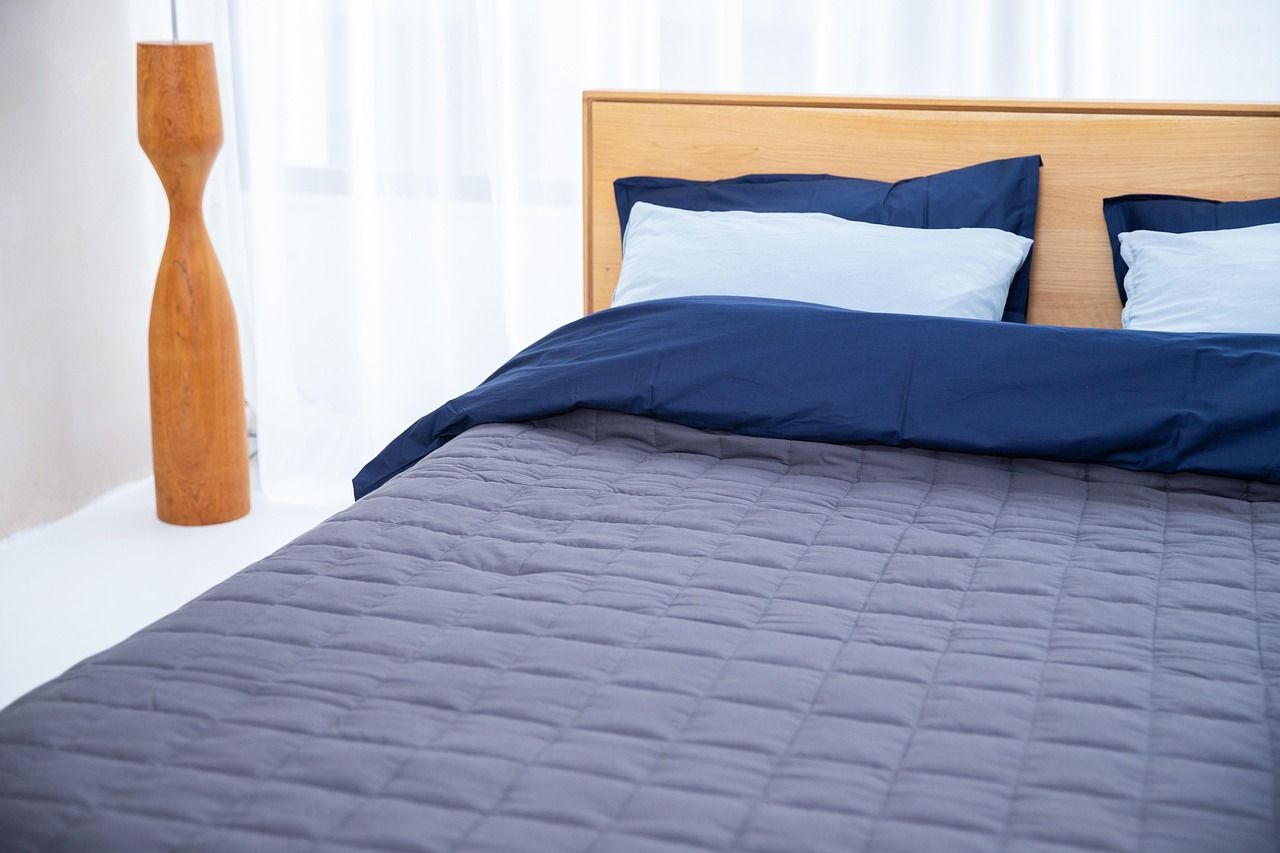
Waking up with a stiff back or persistent aches can ruin your day before it even begins. If you’re among the millions of Indians who suffer from back pain, you know how debilitating it can be. While various factors contribute to back pain, one often overlooked culprit is right under your nose – or rather, under your back: your mattress. A good mattress isn’t just a luxury; it’s a crucial tool for supporting your spine, relieving pressure points, and ensuring you wake up feeling refreshed and pain-free. This ultimate guide will walk you through everything you need to know about choosing the best mattress for back pain in India, helping you reclaim your sleep and your mornings.
Why Your Mattress Matters for Back Pain
Think about it: you spend roughly one-third of your life on your mattress. During these crucial hours, your mattress should be working to support your spine in its natural alignment. An old, sagging, or unsuitable mattress can do the opposite, leading to:
- Misaligned Spine: If your mattress is too soft, your hips might sink too much, pulling your spine out of alignment. If it’s too firm, it might not contour to your natural curves, leaving gaps and pressure points.
- Increased Pressure Points: Areas like your shoulders, hips, and lower back can experience excessive pressure, leading to pain and discomfort.
- Poor Sleep Quality: Constant tossing and turning to find a comfortable position disrupts your sleep cycle, preventing your body from fully recovering and repairing itself.
- Exacerbated Existing Conditions: For those with conditions like sciatica, slipped discs, or arthritis, an unsupportive mattress can significantly worsen symptoms.
Choosing the right mattress is an investment in your health and well-being. It’s about creating an optimal sleep environment where your back can rest, heal, and rejuvenate.
Understanding Different Mattress Types for Back Pain
The Indian market offers a plethora of mattress options, each with its unique characteristics. Let’s explore the most common types and how they cater to back pain sufferers:
1. Memory Foam Mattresses
Memory foam is renowned for its ability to conform to your body’s shape, providing excellent pressure relief and support. It distributes weight evenly, reducing stress on specific points. For individuals with back pain, memory foam can be a game-changer as it cradles the spine, maintaining its natural curve.
- Pros: Excellent contouring, superior pressure relief, motion isolation (great if you share a bed).
- Cons: Can retain heat (though newer models have cooling features), some find the “sinking” feeling uncomfortable initially.
A popular choice in this category is the Wakefit Orthopedic Memory Foam Mattress, which is specifically designed to offer targeted support for spinal alignment.
2. Latex Mattresses
Latex mattresses are made from natural or synthetic latex foam. They offer a responsive, bouncy feel while still providing excellent contouring and support. Natural latex is durable, hypoallergenic, and breathable, making it a great option for those seeking an eco-friendly and robust mattress.
- Pros: Durable, highly responsive, good pressure relief, breathable (cooler than traditional memory foam), hypoallergenic.
- Cons: Can be more expensive, heavier.
Many orthopedic options use a combination of latex and other foams to achieve the perfect balance of comfort and support.
3. Coir Mattresses
Coir mattresses, made from natural coconut fibers, have been a traditional choice in India for decades. They are known for their firm support and natural ventilation. While some people associate firmness with good back support, a purely coir mattress can sometimes be too hard for certain back pain conditions, lacking the contouring needed for pressure relief.
- Pros: Firm support, natural, breathable, affordable.
- Cons: Can be too firm for some, poor contouring, less durable than foam or latex.
If you prefer a traditional feel with added firmness, a hybrid coir mattress with a layer of foam can offer a good balance, like some variants from Kurlon Orthopedic Coir Mattress.
4. Spring (Innerspring) Mattresses
These mattresses use a system of metal coils for support, often topped with comfort layers of foam, fiber, or padding. Pocketed coil spring mattresses, where each spring is individually wrapped, offer better motion isolation and targeted support than traditional open coil systems.
- Pros: Good airflow (cooler), bouncy feel, wide range of firmness options.
- Cons: Can sag over time, motion transfer in open coil systems, less contouring than foam or latex.
5. Hybrid Mattresses
Hybrid mattresses combine the best of both worlds, typically featuring an innerspring core for support and bounce, topped with layers of memory foam, latex, or other specialized foams for pressure relief and contouring. This combination often provides an ideal balance for back pain sufferers.
- Pros: Excellent blend of support and comfort, good breathability, durable.
- Cons: Can be more expensive due to complex construction, heavier.
Brands like SleepX Ortho Mattress often incorporate hybrid designs to provide optimal orthopedic support.
Key Factors to Consider When Buying a Mattress for Back Pain
Beyond the type, several other factors play a crucial role in your mattress selection:
1. Firmness Level
This is perhaps the most critical factor. While it’s a common misconception that a “hard” mattress is best for back pain, it’s often not true. A mattress that’s too firm won’t allow your shoulders and hips to sink in slightly, leaving your spine misaligned. Conversely, a mattress that’s too soft will cause your body to sink too much, leading to a “hammock” effect. Most experts recommend a medium-firm mattress for optimal spinal alignment and pressure relief. This provides enough support to keep your spine straight while cushioning your natural curves.
2. Support vs. Pressure Relief
These two go hand-in-hand. Support refers to the mattress’s ability to keep your spine aligned. Pressure relief refers to its ability to cushion sensitive areas and distribute your body weight evenly. A good mattress for back pain excels at both, preventing the build-up of pressure on your joints and muscles while maintaining proper posture.
3. Material Quality & Durability
Investing in a high-quality mattress from reputable brands ensures it will maintain its supportive properties for longer. Look for mattresses made with dense foams, natural latex, or well-constructed spring systems. A durable mattress won’t sag prematurely, which is vital for continuous back support.
4. Sleeping Position
- Side Sleepers: Need a slightly softer mattress to allow shoulders and hips to sink, keeping the spine aligned. Memory foam or latex are often ideal.
- Back Sleepers: Do well with medium-firm options that support the natural curve of the lower back.
- Stomach Sleepers: Should opt for a firmer mattress to prevent the hips from sinking too much, which can strain the lower back.
5. Trial Period and Warranty
Many online mattress brands in India, like Wakefit and SleepyCat, offer generous trial periods (e.g., 30 to 100 nights). This is invaluable, as it takes time for your body to adjust to a new mattress and for you to truly assess its suitability for your back pain. A good warranty (typically 7-10 years) also indicates the manufacturer’s confidence in their product’s durability.
6. Budget
Mattresses come in a wide price range. While a higher price often correlates with better quality materials and construction, there are excellent mid-range options available. Prioritize value for money and the features most crucial for your back pain over simply the cheapest or most expensive option.
Top Mattress Picks for Back Pain in India
Based on their features, popularity, and suitability for back pain, here are some mattresses that frequently come recommended in the Indian market:
1. Wakefit Orthopedic Memory Foam Mattress
Wakefit has become a household name in India for its affordable yet high-quality mattresses. Their Orthopedic Memory Foam Mattress is designed with multiple layers, including a base support foam and a pressure-relieving memory foam layer. It offers a medium-firm feel, which is often ideal for alleviating back pain by contouring to the body while providing robust support. It’s breathable and comes with a good trial period, making it a safe bet for many Indian consumers.
2. SleepyCat Original Orthopedic Mattress
SleepyCat is another popular “bed-in-a-box” brand known for its innovative designs. The SleepyCat Original Orthopedic Mattress features a top layer of Gel Memory Foam for cooling and pressure relief, combined with high-density foam for support. Its medium-firm feel is specifically engineered to support spinal alignment and reduce aches, making it a strong contender for back pain sufferers. The added gel infusion helps address the common memory foam heat retention issue.
3. SleepX Ortho Mattress
From the house of Sleepwell, SleepX offers a range of mattresses tailored for specific needs, and their Ortho Mattress series is particularly relevant for back pain. These mattresses are typically constructed with a combination of high-resilience foam and often a coir or spring core to provide firm, even support. The focus here is on robust orthopedic support that prevents sagging and ensures proper spinal alignment, making it a reliable choice for those seeking a firmer base.
4. Kurlon Orthopedic Coir Mattress
For those who prefer a firmer, more traditional feel, Kurlon’s Orthopedic Coir Mattress can be a suitable option. Kurlon is a long-standing and trusted Indian brand. Their orthopedic coir mattresses are built with compressed coir layers, often combined with a thin foam layer for comfort. While coir inherently offers significant firmness, it’s important to ensure it’s not too rigid for your specific back pain needs. It’s an excellent choice if you’re looking for a natural, breathable, and very firm sleeping surface.
Beyond the Mattress: Other Tips for Back Pain Relief
While a good mattress is foundational, it’s part of a larger picture when it comes to managing back pain:
- Maintain Good Posture: Be mindful of your posture throughout the day, whether sitting, standing, or lifting.
- Regular Exercise: Strengthening your core muscles and staying active can significantly alleviate back pain. Consult a physiotherapist for suitable exercises.
- Ergonomic Workspace: If you work from home or in an office, ensure your chair and desk setup support good posture.
- Stretching: Gentle stretches can improve flexibility and reduce stiffness.
- Consult a Professional: If your back pain is severe or persistent, always consult a doctor or a physiotherapist for a proper diagnosis and treatment plan.
Conclusion
Choosing the best mattress for back pain in India doesn’t have to be an overwhelming task. By understanding your specific needs, the different mattress types available, and key factors like firmness and support, you can make an informed decision. Remember, a comfortable and supportive mattress is a long-term investment in your health, helping you wake up pain-free and ready to tackle your day. Don’t let back pain dictate your life; take the first step towards better sleep and a healthier back today!
FAQs
Is a firm mattress always better for back pain?
Not necessarily. While a firm mattress offers robust support, one that is too firm can be detrimental by not allowing your body’s natural curves (like your lower back) to be properly supported, leading to pressure points. Most experts recommend a medium-firm mattress that provides a balance of support and contouring.
How often should I replace my mattress?
Generally, mattresses should be replaced every 7-10 years. However, this can vary based on the mattress type, quality, and how well it’s maintained. If you notice sagging, lumps, or wake up with increased back pain, it might be time for a replacement, even if it’s within the 7-year mark.
Can a mattress really cure back pain?
While a good mattress can significantly alleviate and help manage back pain, it’s not a “cure” for all types of back pain, especially those caused by underlying medical conditions or injuries. However, an appropriate mattress is crucial for supporting your spine and promoting healing, often making a substantial difference in reducing discomfort and improving sleep quality. Always consult a healthcare professional for persistent pain.
What’s the difference between orthopedic and regular mattresses?
The term “orthopedic” implies that the mattress is designed to provide targeted support to your joints, back, and spine. While it’s not a regulated medical term, orthopedic mattresses typically feature firmer support, specialized foam layers, or spring systems engineered to maintain proper spinal alignment and relieve pressure points. Regular mattresses may prioritize comfort or a generalized feel without specific ergonomic considerations.
How can I test a mattress for back pain before buying?
Many online brands in India offer generous trial periods (e.g., 30 to 100 nights), allowing you to test the mattress at home. If buying offline, lie on the mattress for at least 10-15 minutes in your typical sleeping position. Pay attention to how your spine feels – it should remain in a relatively straight line. If you can slide your hand easily into the arch of your lower back, it might be too firm. If your hips sink significantly, it might be too soft. Don’t be afraid to try different firmness levels.