Eid Mubarak, everyone! The air is filled with anticipation, the aroma of delicious food, and the promise of joyous gatherings. Eid, a festival of immense significance, marks a beautiful culmination of spiritual reflection and a grand celebration of community, generosity, and togetherness. In India, Eid is not just a religious observance; it"s a vibrant tapestry woven with diverse traditions, regional flavors, and a spirit of universal brotherhood that resonates deeply across the nation. Whether it"s Eid-ul-Fitr, marking the end of Ramadan, or Eid-ul-Adha, the festival of sacrifice, the preparations and celebrations are nothing short of spectacular.
As families come together, homes are adorned, kitchens buzz with activity, and hearts open to share love and blessings. But what truly makes an Indian Eid memorable? Beyond the prayers and the feast, there are certain essentials that transform the occasion into an unforgettable experience. From the sparkle of new clothes to the warmth of shared gifts, each element plays a crucial role. If you"re looking to make your Eid celebration truly special this year, or perhaps you"re just curious about the vibrant essentials that define this beautiful festival in India, you"ve come to the right place. Join us as we explore the top 10 essentials that promise a grand and heartfelt Eid celebration.
1. New Attire & Festive Fashion: Dressing the Part
The first and arguably most iconic essential for Eid in India is new clothes. From crisp kurtas for men, often paired with elegant pyjamas or pathani suits, to exquisite sarees, salwar suits, and lehengas for women, dressing up in Traditional Indian Attire is a cherished tradition. It"s not just about looking good; it"s a symbol of starting afresh, of joy, and of respect for the festive occasion. Families often go shopping together, choosing vibrant colors, intricate embroideries, and rich fabrics like silk, georgette, or chiffon. The bustling markets of Chandni Chowk in Delhi, Mohammed Ali Road in Mumbai, or Commercial Street in Bengaluru come alive with shoppers eager to find the perfect outfit. Children, especially, revel in their new clothes, eager to show them off during family visits and Eid prayers. This tradition adds an unparalleled visual splendor to the Eid festivities, making every gathering feel like a grand affair.
2. Delectable Feasts & Sweets: A Culinary Extravaganza
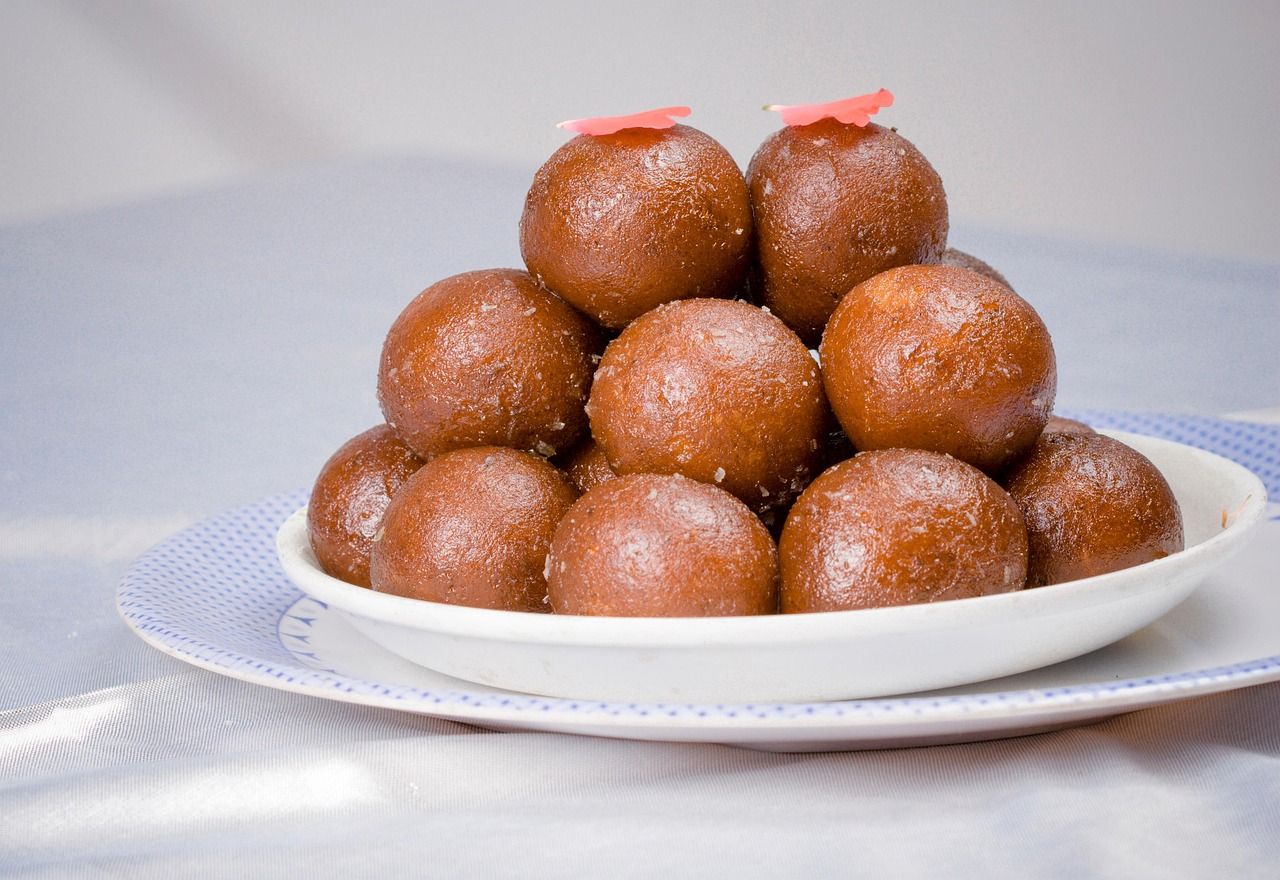
Eid without a lavish spread of food is simply unimaginable! Indian Eid celebrations are synonymous with a culinary fiesta that tantalizes every palate. The star of Eid-ul-Fitr is often "Sheer Khurma," a rich vermicelli pudding swimming in milk, nuts, and dates, which is often the first thing consumed to break the fast. Beyond this sweet delight, tables groan under the weight of biryanis – whether it"s a fragrant Hyderabadi Mutton Biryani, a spicy Lucknowi Chicken Biryani, or a delightful vegetarian variant. Kebabs, haleem, nihari, korma, and a variety of bread like rumali roti or naan complete the savory feast. For those who love baking or experimenting in the kitchen, a good Bakeware Set can be an invaluable companion for preparing homemade Eid cookies, cakes, or traditional sweets like shahi tukda. Every home has its secret recipes, passed down through generations, making each meal a unique expression of love and hospitality. Sharing these meals with family, friends, and neighbors is a cornerstone of the Eid spirit.
3. Thoughtful Gifts & Eidi: Sharing Blessings
The tradition of giving gifts and "Eidi" (monetary gifts, especially to children) is a heartwarming aspect of Eid. It"s a way of spreading joy, showing appreciation, and teaching generosity, particularly to the younger generation. Children eagerly await their Eidi from elders, often collecting small fortunes that they then spend on toys, chocolates, or save for something special. For adults, thoughtful gifts can range from practical items for the home, stylish accessories, or even gourmet food hampers. The act of giving is rooted in the spirit of sharing blessings and ensuring everyone feels cherished during the festival. Beautifully designed Eidi Envelopes add a special touch to this tradition, making the act of giving and receiving even more delightful. Beyond material gifts, the gift of time, attention, and heartfelt wishes also holds immense value, strengthening familial and communal bonds.
4. Home Decor & Sparkling Ambiance: Festive Flair
Transforming homes into festive havens is an essential part of Eid preparations. Weeks before Eid, houses undergo a thorough cleaning, followed by creative decoration. Drawing inspiration from rich Indian aesthetics, homes are adorned with colorful drapes, fresh flowers, and intricate rangoli patterns at the entrance. The glow of lamps and candles creates a warm, inviting atmosphere, while strings of Decorative Fairy Lights add a magical sparkle to living spaces, balconies, and even courtyards. These lights, whether traditional diyas or modern LED strands, symbolize enlightenment and celebration. Many families also invest in new crockery and serving ware to present their Eid feast in style. The goal is to create an ambiance that reflects the joy and grandeur of the festival, making guests feel welcome and adding to the overall celebratory mood. A well-decorated home truly sets the stage for a memorable Eid.
5. Fragrances & Attar: A Scent of Celebration
Fragrance plays a significant role in Islamic tradition and is especially prominent during Eid. Applying "attar" (traditional perfumed oil, often alcohol-free) or other fine perfumes before Eid prayers and during gatherings is a cherished custom. The rich, lingering scents of oud, musk, rose, or jasmine not only add to one"s personal presentation but also infuse the festive atmosphere with an air of elegance and purity. An Attar Gift Set is a popular choice for gifting, offering a selection of exquisite scents that can be enjoyed throughout the year. The tradition of using attar is deeply ingrained in Indian culture, where fragrances have always been associated with special occasions and hospitality. It"s a subtle yet powerful essential that elevates the sensory experience of Eid, making it even more special and memorable for everyone present.
6. Prayer & Spirituality: The Heart of Eid
At its core, Eid is a spiritual festival. The day begins with special Eid prayers (Salat al-Eid) offered in large congregations at mosques or open Eidgahs (prayer grounds). For many, this communal prayer is the most significant part of the day, a moment of collective gratitude, reflection, and seeking blessings. Men, women, and children dress in their finest, making their way to the prayer grounds, creating a beautiful sight of unity and devotion. Post-prayer sermons often emphasize peace, love, and the importance of community. While not a material "essential," the spirit of prayer and spiritual reflection is the very foundation upon which all other celebrations are built. For many, having a dedicated prayer mat and perhaps a copy of the Quran close by are personal essentials that facilitate this spiritual connection throughout the day.
7. Family Gatherings & Bonding: The Essence of Togetherness
Eid is synonymous with family reunions. Relatives, near and far, travel to be with their loved ones, transforming homes into lively hubs of laughter, conversation, and shared memories. Grandparents, aunts, uncles, and cousins all come together, strengthening bonds that often get stretched by distance and daily life. These gatherings are filled with storytelling, reminiscing, playing games, and simply enjoying each other"s company. For many Indian families, Eid is one of the few occasions in the year when the entire extended family can truly connect. The warmth and joy derived from these interactions are invaluable, making them an essential, albeit intangible, part of the Eid celebration. It"s a reminder that amidst all the festivities, the true essence of Eid lies in the love and support of family.
8. Sharing & Charity (Zakat & Sadaqah): The Spirit of Generosity
An integral part of Eid, especially Eid-ul-Fitr, is the practice of giving charity. "Zakat al-Fitr" is a mandatory donation made before Eid prayers, ensuring that even the less fortunate can celebrate the festival with dignity and joy. Beyond Zakat, many also engage in "Sadaqah," voluntary charity, by donating food, money, or goods to those in need. This emphasis on generosity and empathy is a beautiful reminder of the social responsibility inherent in Islamic teachings. In India, community kitchens often spring up, and individuals go out of their way to share meals and blessings with their neighbors, irrespective of their background. This act of giving not only purifies one"s own wealth but also fosters a stronger, more compassionate society, truly embodying the spirit of Eid.
9. Mehndi & Henna Art: Adorning Hands with Tradition
For women and girls in India, Eid celebrations are incomplete without the beautiful artistry of mehndi (henna). Days leading up to Eid, hands and feet are adorned with intricate, elaborate henna patterns that range from traditional floral motifs to contemporary designs. Applying mehndi is a joyful communal activity, often done in groups, filled with laughter and anticipation. It"s a cultural essential that adds to the festive glamour and signifies good fortune and celebration. Specialized mehndi artists set up stalls, and local women often showcase their skills, creating stunning temporary tattoos that fade gracefully over time. The rich, earthy scent of henna filling the air is another sensory essential that evokes the festive spirit of Eid across Indian homes.
10. Digital Greetings & Staying Connected: Modern Expressions
In today"s connected world, while physical presence is cherished, digital greetings have become an undeniable essential for Eid. For those who cannot physically be with their loved ones, a heartfelt "Eid Mubarak" message, a video call, or a beautifully designed e-card bridges the distance. Social media platforms light up with festive wishes, shared photos of celebrations, and expressions of gratitude. This modern essential ensures that no one feels left out, allowing families and friends scattered across India or even globally to share in the joy and blessings of Eid. It"s a testament to how traditions evolve, with technology now playing a crucial role in maintaining connections and spreading the Eid spirit far and wide, making the celebration inclusive for everyone.
Eid in India is a magnificent symphony of faith, culture, and community. From the shimmer of new attire and the irresistible aroma of biryani to the laughter-filled family reunions and the quiet moments of prayer, each essential element weaves together to create a celebration that is truly unique and deeply cherished. These top 10 essentials are not merely items or activities; they are reflections of a vibrant heritage, a spirit of generosity, and an unwavering belief in togetherness.
As you prepare to celebrate Eid, remember that while these essentials add to the grandeur, the true essence lies in the purity of your intentions, the warmth of your heart, and the love you share. May your homes be filled with happiness, your tables with abundance, and your hearts with peace. Eid Mubarak! May this Eid bring immense joy, prosperity, and countless blessings to you and your loved ones.
FAQs
Q1: What is the main significance of Eid in India?
A1: In India, Eid holds immense significance as a time for spiritual reflection, communal celebration, and strengthening familial bonds. Eid-ul-Fitr marks the end of Ramadan"s fasting, symbolizing gratitude and fresh beginnings, while Eid-ul-Adha commemorates Prophet Ibrahim"s devotion and emphasizes sacrifice and charity. Both festivals are celebrated with great zeal, bringing diverse communities together in joy and brotherhood.
Q2: How do Indians celebrate Eid differently from other countries?
A2: While the core religious practices remain the same, Indian Eid celebrations are distinct due to the country"s rich cultural tapestry. This includes unique culinary traditions like Sheer Khurma and specific biryani variations, the prominence of traditional Indian attire, the widespread application of mehndi, and the inclusive nature of celebrations where neighbors of all faiths often partake in the festivities, exchanging greetings and sweets.
Q3: What are some traditional Eid dishes found in Indian homes?
A3: Indian Eid tables are famous for a wide array of delicious dishes. "Sheer Khurma" (vermicelli pudding) is a must-have sweet for Eid-ul-Fitr. Savory delights include various types of "Biryani" (mutton, chicken, or vegetarian), "Kebabs," "Haleem," "Nihari," and rich "Kormas." Sweets like "Shahi Tukda" and "Phirni" are also popular, showcasing the diverse flavors of Indian cuisine.
Q4: Is Eidi only given to children during Eid?
A4: While Eidi (monetary gifts) is predominantly given to children by elders as a gesture of love and blessing, it is not exclusively for them. Sometimes, younger adults might receive Eidi from older relatives, and in some families, it"s a broader tradition of gifting small tokens or cash to anyone younger than you, fostering a spirit of generosity across generations.
Q5: What is Zakat al-Fitr and why is it important during Eid?
A5: Zakat al-Fitr is a mandatory charitable donation made by Muslims before the Eid-ul-Fitr prayers. Its purpose is to help those who are less fortunate, ensuring that everyone in the community has enough to eat and can celebrate Eid with joy and dignity. It"s a crucial act of purification for those who fasted during Ramadan and emphasizes the importance of social welfare and compassion.