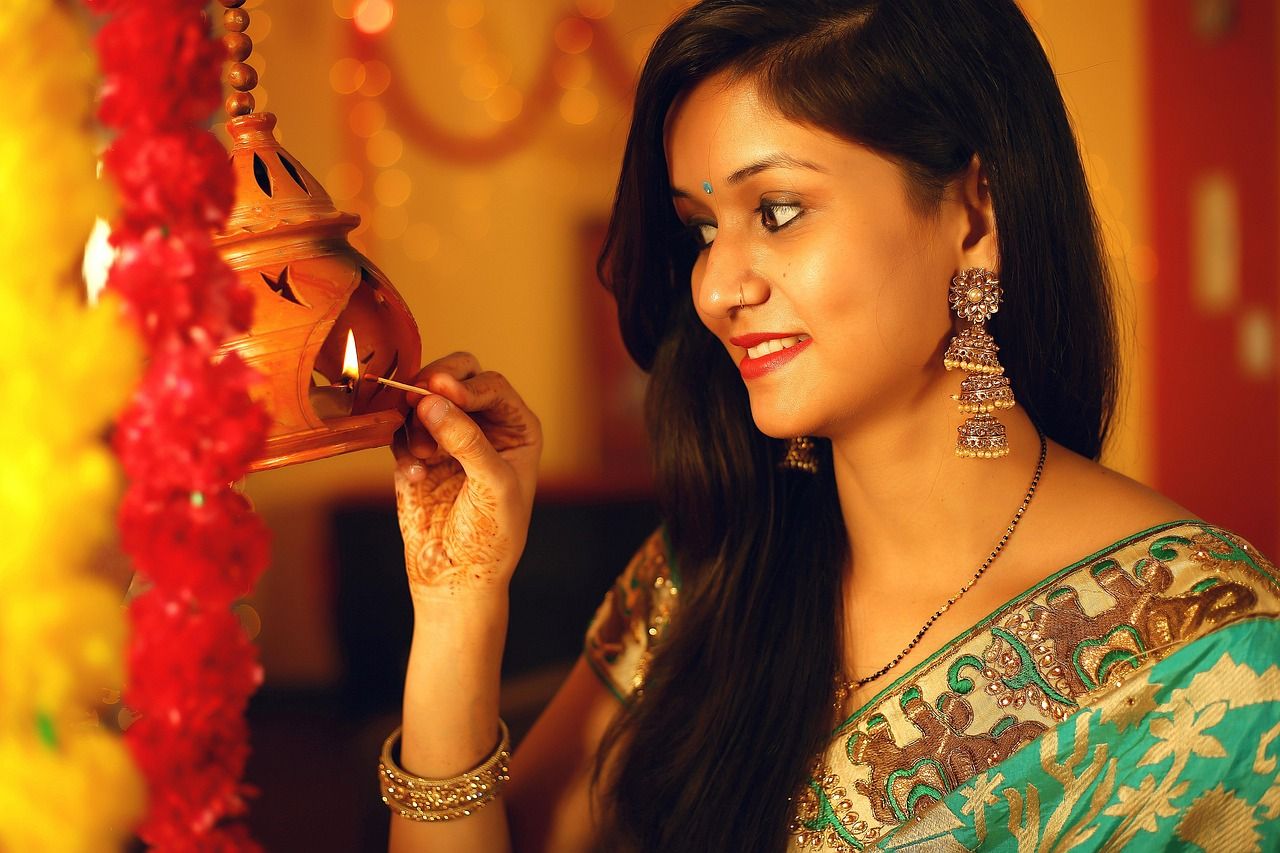
Eid Mubarak! The words themselves bring a smile to millions of faces across India, don't they? It's that beautiful time of the year when homes light up, hearts fill with gratitude, and the air buzzes with an unmatched festive spirit. Eid, whether it's Eid ul-Fitr or Eid ul-Adha, is more than just a holiday; it's a profound celebration of community, devotion, and the joy of coming together. From bustling bazaars brimming with new clothes and sparkling bangles to the aroma of delicious traditional food wafting from every kitchen, Eid in India is a spectacle of cultural richness and shared happiness.
As we prepare to embrace this auspicious occasion, you might be wondering how to make your Eid truly special this year. How can you honour traditions, create lasting memories, and spread the joy far and wide? Well, you're in the right place! We've put together a comprehensive guide of the top 10 ways to ensure your Eid Mubarak is filled with laughter, love, and unforgettable moments. So, grab a cup of chai, settle in, and let's explore how to celebrate Eid the Indian way, with all its vibrant colours and heartfelt traditions.
1. Embrace the Spirit of "Ghar ki Safai" – Home Preparation
Before any major festival in India, the first step is always the same: a thorough cleaning and sprucing up of the home. Eid is no exception! "Ghar ki Safai" isn't just about making your house look good; it's about preparing your living space to welcome blessings, guests, and the festive spirit. Deep cleaning every nook and cranny, decluttering, and organizing can be a family activity, bringing everyone together. Imagine the satisfaction of a sparkling clean home, ready to be adorned with festive decorations. This tradition sets the tone for a fresh start and a joyful celebration, symbolising renewal and welcoming good fortune.
2. Indulge in "Eid ki Shopping" – New Attire & Accessories
What's a festival without new clothes, especially in India? "Eid ki Shopping" is a cherished ritual, eagerly anticipated by everyone, from excited children to elegant elders. The bazaars come alive with vibrant fabrics, intricate embroidery, and the latest fashion trends. For many, a new outfit symbolises purity and a fresh beginning. Women often opt for stunning Anarkalis, shararas, or elegant sarees, while men choose stylish kurtas or traditional sherwanis. Don't forget the accessories – bangles, jhumkas, and intricate footwear complete the look. Picking out the perfect outfit is a joyful experience in itself. Consider a beautiful Traditional Kurta Set for men or a lovely embellished suit for women to make a statement this Eid.
3. Adorn Your Hands with Beautiful Henna (Mehendi)
For women and girls, Eid celebrations often feel incomplete without the intricate beauty of henna, or Mehendi. The tradition of adorning hands and feet with stunning temporary tattoos is deeply rooted in Indian culture, signifying beauty, good fortune, and celebration. On Chand Raat (the night before Eid), homes are filled with the laughter and chatter of women as they apply elaborate designs. From delicate floral patterns to bold geometric motifs, each design is a work of art. The rich, earthy scent of henna adds to the festive ambiance. Make sure to stock up on quality Henna Cones to ensure vibrant and long-lasting designs for everyone in the family.
4. Seek Blessings with "Namaz-e-Eid" – Special Prayers
At the heart of Eid is the spiritual devotion it represents. The morning of Eid begins with the congregational "Namaz-e-Eid" (Eid prayers) at mosques or open Eidgahs. This special prayer is a profound act of gratitude and submission, bringing the community together in unity and peace. Dressed in their finest new clothes, families head to offer prayers, listen to the sermon (khutbah), and exchange heartfelt Eid greetings. It’s a moment of spiritual reflection and communal bonding that reinforces the true essence of the festival, fostering a sense of shared faith.
5. Feast on Delectable Eid Delicacies – Biryani & Sevaiyan
Food is undeniably the soul of any Indian celebration, and Eid is no different! The aroma of rich, aromatic dishes fills the air, promising a feast fit for kings. The undisputed queen of the Eid spread is often Biryani – be it Mutton Biryani, Chicken Biryani, or a flavourful Vegetarian Biryani, cooked to perfection with fragrant spices and tender meat or vegetables. Another quintessential Eid sweet, especially for Eid ul-Fitr, is Sevaiyan (vermicelli pudding), prepared in various styles like Sheer Khurma (a rich milk-based dessert) or Kimami Sevaiyan. Other popular dishes include Haleem, Nihari, Kebabs, and an array of sweets and snacks. To master your biryani and other curries, a good quality Pressure Cooker is an absolute kitchen essential. For baking various Eid special cookies or cakes, a versatile Bakeware Set can come in handy.
6. Cherish the Tradition of "Eidi" – Gifting Money & Love
Ask any child in an Indian Muslim household what they look forward to most on Eid, and "Eidi" will likely be their enthusiastic answer! Eidi is the tradition of elders gifting money, gifts, or sweets to younger family members and children. It's a beautiful gesture of love, blessings, and generosity that adds immense joy and excitement to the festival. Children eagerly collect their Eidi, sometimes comparing who received more, creating lasting happy memories. It's not just about the money; it's about the affection and the special bond shared within the family, reinforcing familial love and respect.
7. Connect with Loved Ones – Visiting Relatives & Friends
Eid is synonymous with reconnecting and strengthening bonds. After prayers and breakfast, families embark on a joyous round of visiting relatives, friends, and neighbours. Homes are open, doors are welcoming, and everyone is invited to share in the festivities. These visits are filled with warm hugs, heartfelt conversations, and the sharing of delicious Eid treats. It's a time to mend any differences, express love, and simply enjoy the company of those who matter most. The spirit of community and togetherness shines brightest during these gatherings, fostering goodwill and mutual affection.
8. Uphold the Virtue of Charity – Zakat al-Fitr & Sadaqah
One of the most fundamental aspects of Eid, particularly Eid ul-Fitr, is the emphasis on charity. Before the Eid prayers, Muslims are obligated to give Zakat al-Fitr, a charitable donation to help those less fortunate celebrate Eid with dignity and joy. This act of giving ensures that no one is left out of the festivities and reinforces the Islamic principle of compassion and social responsibility. Beyond Zakat al-Fitr, many also engage in Sadaqah (voluntary charity), sharing food, clothes, or money with the needy. It's a powerful reminder that Eid is not just about personal celebration but also about collective well-being and empathy.
9. Decorate Your Home with Festive Flair
Transform your home into a festive wonderland! After the deep cleaning, it's time to add decorative touches that reflect the joyous spirit of Eid. Think bright colours, intricate patterns, and a warm, inviting ambiance. You can use traditional lanterns, fresh flowers, and decorative hangings to enhance the festive feel. Creating a dedicated prayer corner or a beautiful dining setup can also add to the celebratory mood. Simple additions like fresh cushions, scented candles, or even a string of colourful Curtain Lights can instantly elevate your home's festive look and make it even more welcoming for guests.
10. Capture Precious Moments – Photos & Videos
In the whirlwind of celebrations, don't forget to capture the precious moments that unfold throughout the day. Eid is a treasure trove of memories waiting to be made – from candid shots of children unwrapping their Eidi to grand family portraits in your finest attire, and the laughter shared over a plate of Biryani. Take out your cameras and phones, create photo booths with simple backdrops, and encourage everyone to strike a pose. These photos and videos will serve as cherished mementos, allowing you to relive the joy and warmth of Eid for years to come. Share your happiness with loved ones who couldn't be there, creating a digital album of your family's Eid story.
Conclusion
Eid Mubarak is truly a festival that brings out the best in us – fostering gratitude, generosity, and strong communal bonds. From the meticulous preparations and spiritual reflections to the joyous feasts and heartfelt exchanges of gifts, each tradition plays a vital role in making this occasion special. In India, the celebration of Eid weaves together threads of diverse cultures, adding unique flavours and colours to the festivities. Whether you're savouring a plate of Sevaiyan, sharing Eidi with excited children, or simply enjoying the company of loved ones, remember the core essence of Eid: love, peace, and togetherness. May your celebrations be blessed with immense happiness, prosperity, and countless unforgettable moments. Eid Mubarak once again!
FAQs
What is the significance of Eid Mubarak?
Eid Mubarak signifies a "blessed Eid" and is a greeting exchanged during the Islamic festivals of Eid al-Fitr and Eid al-Adha. It represents a time of gratitude to Allah, celebrating spiritual discipline (after Ramadan) or commemorating Prophet Ibrahim's devotion. It's also a period for communal prayer, feasting, charity, and strengthening family and community ties.
What traditional dishes are popular during Eid in India?
In India, Eid feasts are incredibly rich and diverse. For Eid al-Fitr, Sheer Khurma (a sweet vermicelli pudding) and Kimami Sevaiyan are quintessential. Savoury dishes include various Biryanis (Mutton, Chicken, or Vegetable), rich Qormas, Kebabs, and Haleem. Desserts like Shahi Tukda and a variety of homemade sweets are also very popular across different regions.
How is Eid celebrated differently in various parts of India?
While the core spiritual practices remain similar, cultural nuances add unique flavours to Eid celebrations across India. Hyderabad is famous for its Haleem, while Kashmiri families enjoy elaborate feasts amidst scenic beauty. In Kerala, traditional dishes might feature alongside Eid delicacies. Delhi and Lucknow are known for their grand prayers, bustling Eid bazaars, and legendary food trails. The emphasis on new clothes, charity, and visiting relatives remains central everywhere, but local traditions enrich the experience.
Is it mandatory to give Eidi on Eid?
While not a religious obligation like Zakat al-Fitr, giving Eidi is a deeply cherished and widespread tradition, particularly in South Asian cultures like India. It's a gesture of love, blessing, and generosity from elders to younger family members and children. It adds immense joy to the festivities and helps children participate in the celebratory spirit, making it a highly anticipated part of Eid for many families.