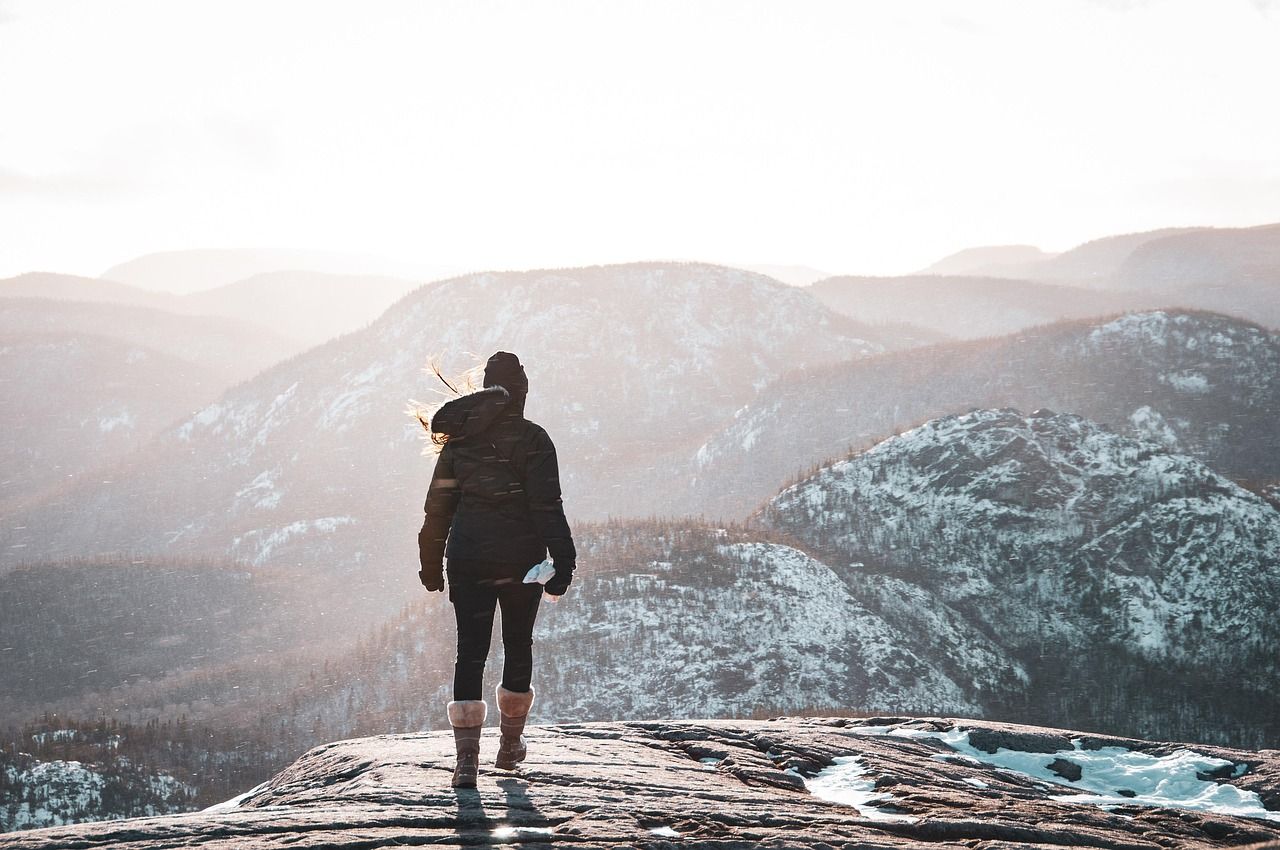
Embarking on a trek through the majestic Himalayas, navigating the lush trails of the Western Ghats, or exploring the rugged terrain of the Aravallis – whatever your adventure in India, the right pair of hiking boots can make or break your experience. Your feet are your most important tools on the trail, and protecting them with the best possible gear is paramount. Forget blisters, twisted ankles, or slippery falls; with the right boots, you can focus on the breathtaking views and the sheer joy of discovery.
Choosing the "best" hiking boots isn't a one-size-fits-all situation. It depends on various factors: the type of terrain you'll encounter, the duration of your trek, the weather conditions, and your personal comfort preferences. This comprehensive guide will help Indian trekkers and adventure enthusiasts navigate the choices and find their perfect trail companion.
Why Your Boots Are Your Best Friend on the Trail
Think of your hiking boots as an extension of your body, a crucial piece of equipment that provides more than just foot covering. They are designed to offer:
- Protection: Shielding your feet from sharp rocks, thorns, snakes, and other trail hazards.
- Support: Especially around the ankles, preventing sprains and fatigue on uneven terrain. This is crucial when carrying a heavy backpack.
- Traction: Ensuring a firm grip on slippery slopes, loose gravel, wet rocks, and muddy paths, common in India's diverse landscapes.
- Comfort: Minimizing friction and pressure points to prevent blisters and discomfort, allowing you to hike for longer periods.
- Weather Resistance: Keeping your feet dry in rain, snow, or stream crossings, and warm in cold conditions.
Key Features to Look For in Hiking Boots
When you're browsing through options, keep these critical features in mind:
Material Matters: Leather vs. Synthetic
- Full-Grain Leather: Durable, highly water-resistant, and offers excellent ankle support. However, they are heavier, take longer to break in, and require more maintenance. Ideal for serious trekkers heading into challenging, multi-day Himalayan expeditions.
- Split-Grain Leather/Nubuck: Lighter than full-grain, offers good breathability and reasonable durability. Often combined with nylon or mesh panels. A good balance for varied Indian conditions.
- Synthetic: Made from nylon, polyester, or synthetic leather. They are lightweight, break in quickly, and are generally more breathable. Often less durable than leather but a popular choice for day hikes and moderate treks in places like Uttarakhand or Himachal Pradesh.
Waterproofing is Non-Negotiable
Monsoon treks in the Western Ghats or snow-laden paths in Kashmir demand boots that keep your feet dry. Look for boots with waterproof and breathable membranes like Gore-Tex or similar proprietary technologies. These membranes prevent water from entering while allowing sweat vapor to escape, keeping your feet comfortable. Even if you're not expecting rain, crossing streams or dew-laden grass can quickly soak non-waterproof boots, leading to discomfort and blisters.
Grip and Traction: Your Foundation on the Trail
The outsole of your boot is where the rubber meets the trail, literally. Look for:
- Lug Pattern: Deep, multi-directional lugs (the indentations on the sole) provide excellent grip on loose surfaces, mud, and uneven ground. Wider spacing between lugs helps shed mud.
- Rubber Compound: Softer rubber compounds offer better grip on wet rocks but wear faster. Harder compounds are more durable but can be slippery on slick surfaces. Brands like Vibram are renowned for their high-quality outsoles that offer an excellent balance of grip and durability.
- Heel Brake: A distinct heel design that helps prevent slipping on steep descents.
Ankle Support: High-Cut vs. Mid-Cut
- High-Cut Boots: Extend above the ankle, offering maximum support and stability. Essential for carrying heavy loads, traversing rocky or uneven terrain, and preventing ankle twists. Recommended for treks like Roopkund or Chadar.
- Mid-Cut Boots: Cover the ankle bone, providing good support without the bulk of high-cut boots. A versatile choice for most moderate treks and day hikes in places like Valley of Flowers or Coorg.
- Low-Cut Hiking Shoes: Offer minimal ankle support, more like sturdy running shoes. Best for well-maintained trails, light day hikes, or speed hiking.
Comfort and Fit: The Ultimate Test
No matter how many features a boot has, if it doesn't fit well, it's useless. Always try boots on at the end of the day when your feet are slightly swollen. Wear the type of socks you'd hike in. Ensure there's about a thumb's width of space between your longest toe and the end of the boot. Your heel should feel secure, with minimal slippage. Walk around the store (or your home) for a good 10-15 minutes. Remember, hiking boots, especially leather ones, often require a 'break-in' period before your trek to adapt to your foot shape.
Weight: Every Gram Counts
Heavier boots generally offer more support and durability but can lead to foot fatigue over long distances. Lighter boots are great for speed and agility but might compromise on support and ruggedness. Consider the trade-off based on your trek's demands. For instance, a long trek in Ladakh might warrant a sturdier, slightly heavier boot, while a short hike in Sikkim could be done comfortably in a lighter pair.
Our Top Picks: Best Hiking Boots for Indian Trekkers
Based on availability, suitability for Indian conditions, and general popularity among hikers, here are some excellent options:
1. Woodland Pro Series Hiking Boots
Woodland is a household name in India for rugged outdoor footwear, and their Pro Series hiking boots are built to tackle diverse terrains. Known for their robust construction, often featuring genuine leather uppers, these boots offer excellent durability and a good level of ankle support. They are a fantastic choice for moderate to challenging treks across various Indian landscapes, from the Shivalik hills to the dense forests of the Nilgiris. Many models come with a solid grip outsole, providing reliable traction.
2. Quechua NH100 Mid Hiking Boots
Decathlon's Quechua brand is a favorite among budget-conscious yet quality-seeking Indian adventurers. The NH100 Mid boots are an excellent entry-level option, perfect for beginners or those undertaking shorter, less demanding treks and day hikes. They are lightweight, comfortable, and offer decent ankle support for well-defined trails. While not always fully waterproof in extreme conditions, some models offer water repellency, making them suitable for most non-monsoon Indian treks.
3. Columbia Newton Ridge Plus Hiking Boots
Columbia is a globally recognized outdoor brand, and the Newton Ridge Plus is a popular model for its balance of comfort, waterproofing, and durability. These boots often feature a lightweight yet sturdy construction with waterproof suede and leather uppers, combined with Columbia's Omni-Grip rubber outsole for reliable traction. They are a fantastic all-rounder for a variety of Indian treks, from the rolling hills of Himachal to the muddy paths of Meghalaya, offering solid performance without being overly heavy.
4. Salomon X Ultra 4 Mid Gore-Tex
For serious trekkers and those ready to invest in premium performance, the Salomon X Ultra 4 Mid Gore-Tex is a top contender. These boots are renowned for their exceptional comfort, agility, and waterproofing thanks to the Gore-Tex membrane. They provide excellent stability and grip on technical terrain, making them ideal for challenging Himalayan expeditions, multi-day treks with heavy loads, or fast-paced adventures. While a higher investment, their performance and durability often justify the cost for experienced adventurers.
Beyond the Boots: Essential Tips for Foot Care
- Socks: Invest in good quality hiking socks made of wool or synthetic blends. Avoid cotton, as it retains moisture, leading to blisters.
- Lacing: Learn different lacing techniques to relieve pressure points, enhance ankle support, or provide more room for your toes on descents.
- Break Them In: Never take new boots on a long trek. Wear them around the house, for short walks, and then progressively longer hikes to break them in.
- Foot Hygiene: Keep your feet clean and dry. Consider using foot powder to minimize sweat and friction.
Maintaining Your Investment
Good hiking boots are an investment, and proper care will significantly extend their lifespan:
- Clean Regularly: After each trek, brush off loose dirt. For stubborn mud, use a soft brush and water. Never use harsh detergents.
- Dry Properly: Remove insoles and laces, then allow boots to air dry naturally in a well-ventilated area away from direct heat (like a campfire or heater), which can damage materials. Stuffing with newspaper can help absorb moisture.
- Condition Leather: For leather boots, apply a leather conditioner periodically to prevent cracking and maintain water resistance.
- Store Correctly: Store them in a cool, dry place, ideally stuffed with newspaper or boot trees to help retain their shape.
Conclusion
Choosing the best hiking boots for your trekking and adventure needs in India doesn't have to be daunting. By understanding the key features, assessing your trekking style and terrain, and considering some of the reliable brands available, you're well on your way to making an informed decision. Remember, comfort, support, and protection are non-negotiable. Invest wisely in your footwear, and your feet will thank you with countless memorable adventures across India's incredible landscapes. Happy trekking!
FAQs
How do I choose the right size hiking boots?
It's crucial to try on hiking boots at the end of the day when your feet are slightly swollen. Wear the type of hiking socks you intend to use. Ensure you have about a thumb's width of space between your longest toe and the front of the boot, and your heel should feel snug with minimal slippage when you walk. Don't go by your street shoe size alone, as hiking boot sizing can vary.
Do I need waterproof boots for all treks?
While not absolutely essential for every single trek, waterproof boots are highly recommended for most conditions in India. They protect against rain, dew, stream crossings, and muddy trails, which are common even during non-monsoon seasons. If you're only doing short, dry, well-maintained trail hikes, you might get away with non-waterproof options, but for multi-day treks or unpredictable weather, waterproofing is a game-changer for comfort and blister prevention.
What's the difference between hiking shoes and hiking boots?
The primary difference lies in ankle support and overall ruggedness. Hiking shoes (low-cut) offer flexibility and are lighter, ideal for speed hiking and well-maintained trails, but provide minimal ankle support. Hiking boots (mid or high-cut) are sturdier, heavier, and offer significantly more ankle support and protection, making them suitable for challenging terrain, heavy loads, and longer treks where stability is key.
How long do hiking boots last?
The lifespan of hiking boots varies greatly depending on their quality, the intensity of use, and proper maintenance. High-quality leather boots, with good care, can last for 5-10 years or even longer. Synthetic boots might last 2-5 years. The outsole is often the first part to wear out; however, many boots can be resoled, extending their life. Regular cleaning and drying also contribute significantly to their longevity.
Can I wear normal sports shoes for short treks?
For very short, easy, and well-maintained trails with no significant elevation gain or rough terrain, normal sports shoes *might* suffice. However, they lack the necessary grip, ankle support, cushioning, and protection of dedicated hiking footwear. Using sports shoes for anything more than a casual walk on a paved path dramatically increases the risk of slips, falls, twisted ankles, and discomfort. It's always best to use appropriate footwear for any outdoor adventure, no matter how short.